Best Boarding Schools in Assam
Boarding schools in Assam have gained popularity for providing quality education combined with holistic development in a nurturing environment. Assam, known for its natural beauty and rich cultural heritage, also offers excellent opportunities in education. Parents from across the North-East and other parts of India look towards Assam’s residential schools for their children’s academic and personal growth. The best boarding schools in Assam provide modern infrastructure, well-qualified teachers, advanced laboratories, libraries, and extracurricular facilities such as sports, music, and arts. Alongside academics, these schools emphasize discipline, leadership, and overall personality development, which prepares students to excel not only in exams but also in life. Most of the reputed boarding schools in Assam follow CBSE or ICSE curriculum, ensuring national-level recognition and strong preparation for higher education. Some institutions also offer international exposure and specialized programs. With a wide range of fee structures, parents can find schools that match their preferences and budget. For families seeking the perfect balance of academics, discipline, and character building, Assam’s boarding schools provide an ideal choice. They offer a safe, secure, and enriching environment where students can learn, grow, and build lifelong skills.All Filters
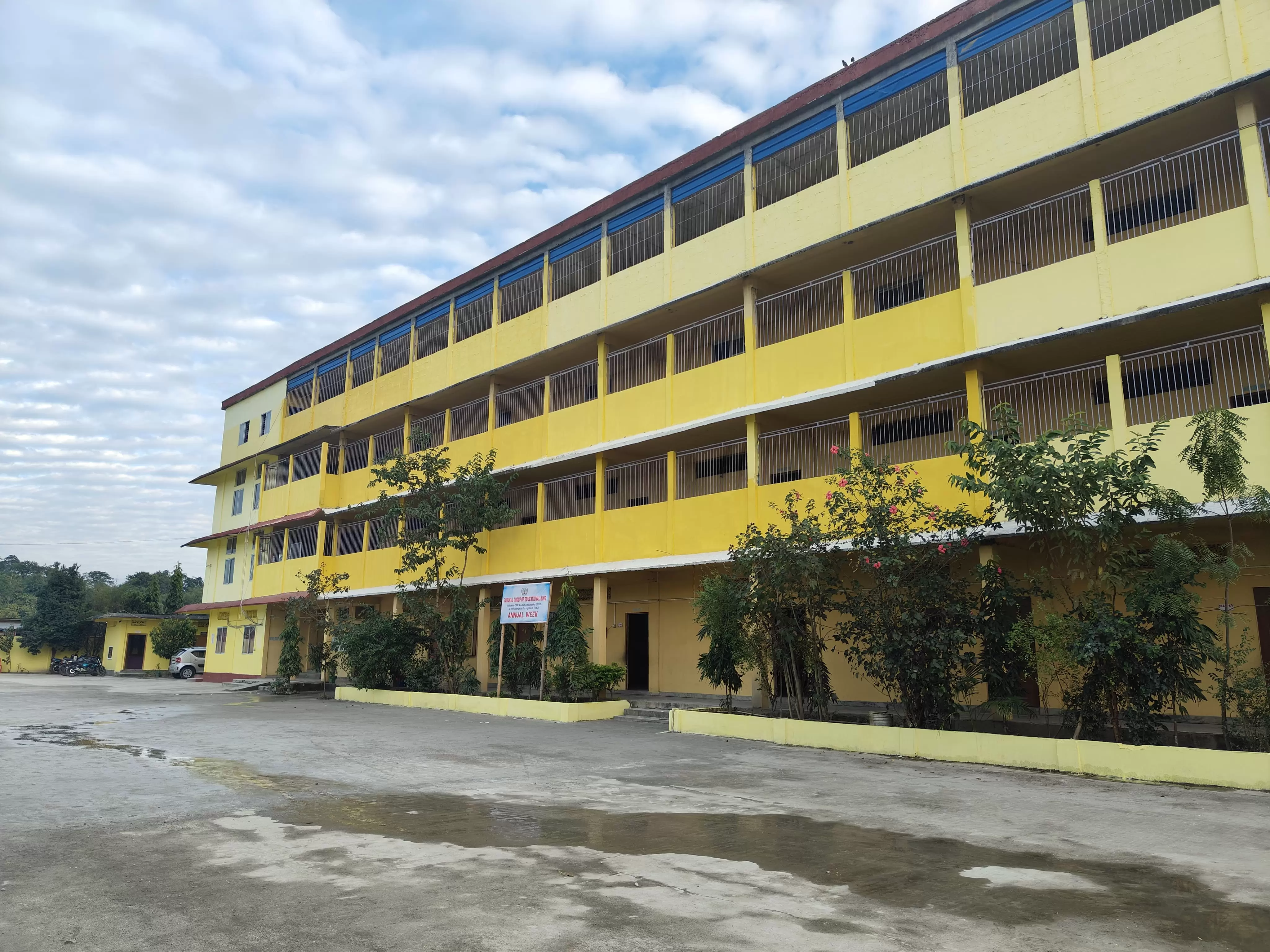

Gurukul Group of Educational Wing, Mangaldoi
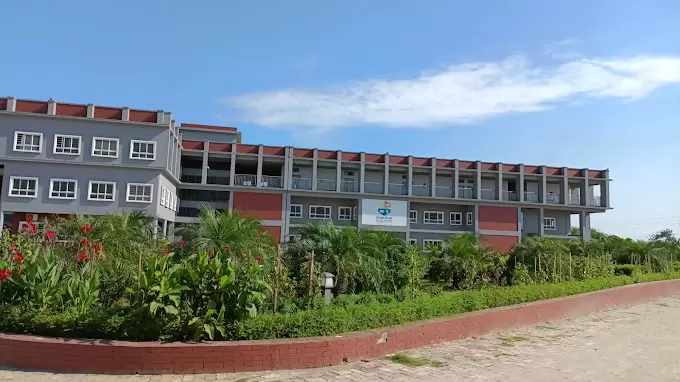

Shiksha Valley School, Dibrugarh
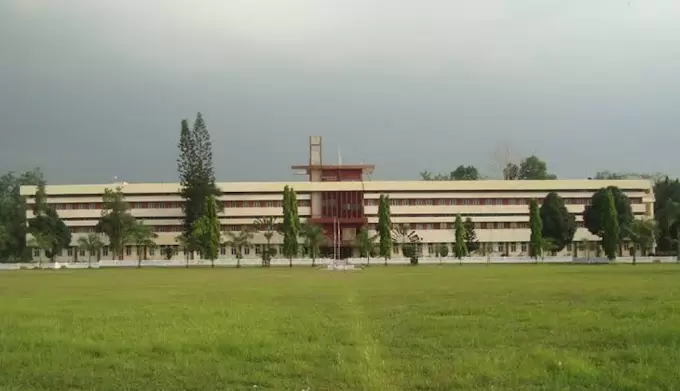

Sainik School Goalpara, Goalpara
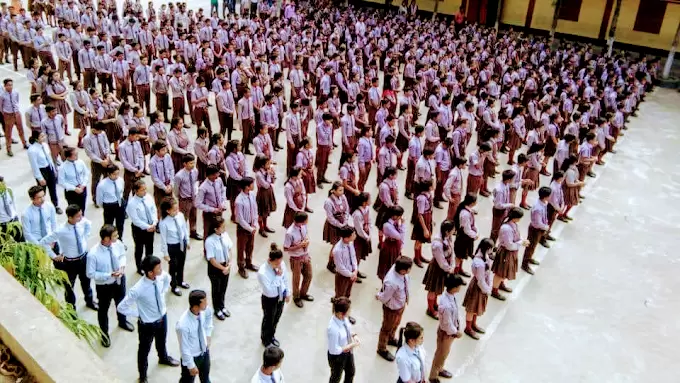

St. Xavier's School, Goalpara
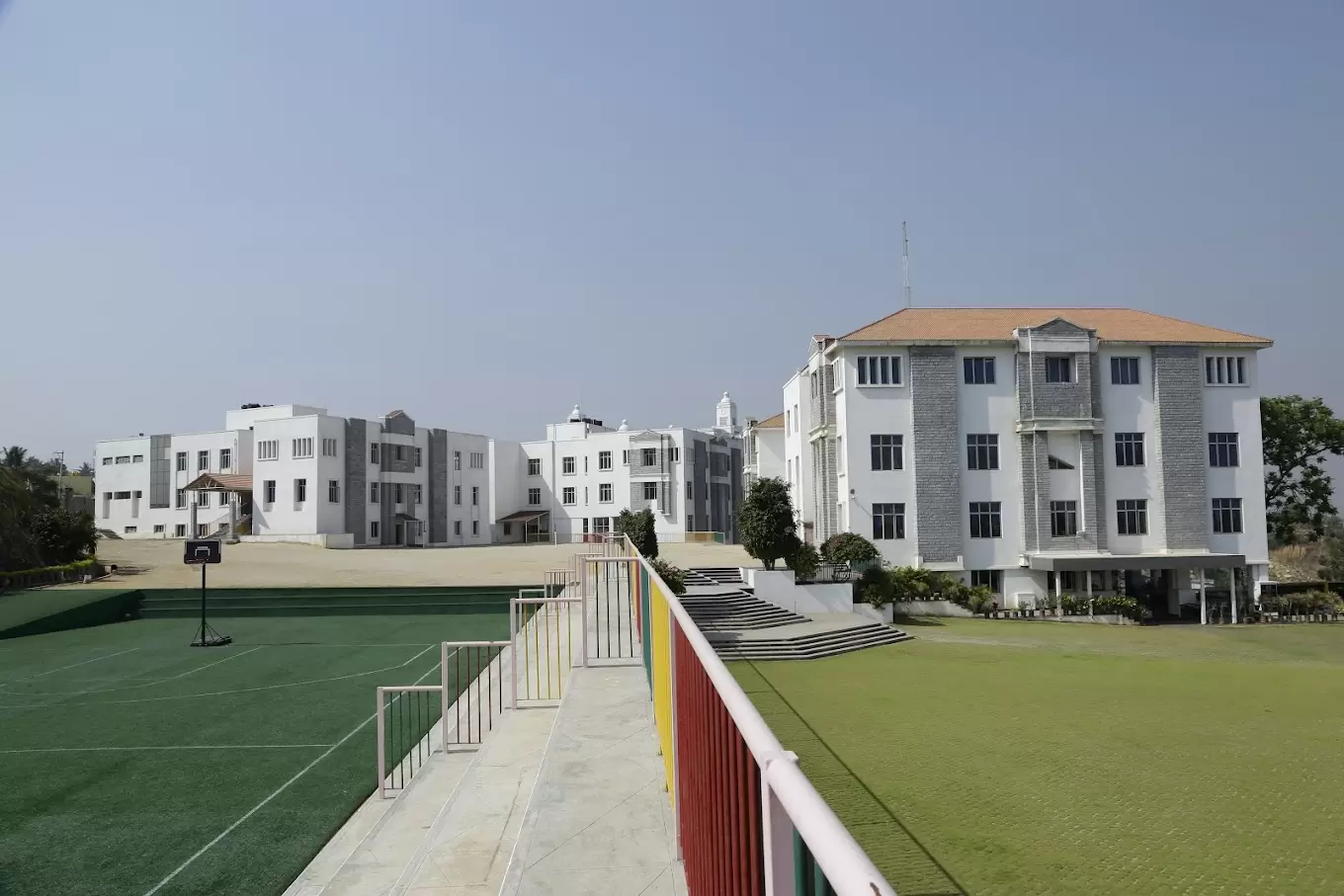

The Assam Valley School, Balipara
How to Select Best Boarding Schools in Assam
The state of Assam, located in the heart of North-East India, is well known for its scenic landscapes, tea gardens, and cultural richness. In recent years, it has also become an emerging hub for quality education. Boarding schools in Assam are increasingly being chosen by parents who want to provide their children with not just academic learning but also an environment that fosters independence, discipline, and holistic growth. A boarding school allows students to live and study within the campus, creating a structured routine where academics, extracurricular activities, and character development go hand in hand.
The Importance of Boarding Schools in Assam
The concept of residential schooling is not new in India, but in Assam it has gained more attention over the last few decades. The primary reason is the increasing demand from parents who live in remote towns and villages, where access to top-quality education may be limited. Boarding schools in Assam bridge this gap by offering world-class infrastructure, well-trained teachers, and a comprehensive learning environment. They also play a vital role in preparing students for competitive exams, higher studies, and future careers while simultaneously instilling values and life skills.
Curriculum Offered in Assam Boarding Schools
The majority of boarding schools in Assam follow either the Central Board of Secondary Education (CBSE) or the Indian Certificate of Secondary Education (ICSE). These boards are widely accepted across India and prepare students effectively for higher education. CBSE is particularly strong in mathematics and science subjects, making it ideal for students preparing for national-level entrance exams like JEE and NEET. ICSE, on the other hand, emphasizes language skills, analytical ability, and a balanced curriculum. Some schools in Assam also offer international curricula such as Cambridge IGCSE or IB, although they are fewer in number compared to CBSE and ICSE schools.
Facilities and Infrastructure
Boarding schools in Assam are equipped with facilities that provide a holistic environment for growth. Spacious classrooms with modern teaching aids, science and computer laboratories, libraries with diverse resources, and well-maintained hostels ensure that children receive the best academic and residential experience. Sports infrastructure, including fields for football, cricket, athletics, and indoor sports facilities, is also given importance. Many schools focus on extracurricular opportunities such as debating, music, dance, and theatre, ensuring that students get the chance to explore their talents beyond academics.
Holistic Development and Discipline
One of the biggest advantages of sending a child to a boarding school in Assam is the overall personality development that comes with residential education. Students learn independence as they live away from home, manage their time, and adapt to a disciplined lifestyle. Daily routines usually include scheduled study hours, sports practice, cultural activities, and life skills training. This helps students grow into confident, responsible, and well-rounded individuals. Schools also emphasize leadership skills, teamwork, and ethical values, which play a major role in shaping a child’s future.
Leading Boarding Schools in Assam
Several boarding schools in Assam are highly reputed for their academic standards and holistic approach. Institutions such as Assam Valley School in Balipara are regarded as one of the finest in North-East India. Known for its sprawling campus and international-level infrastructure, the school follows the ICSE and ISC curriculum and provides excellent opportunities in academics, sports, and arts. Royal Global School in Guwahati is another prominent name, offering CBSE curriculum along with world-class residential facilities. Don Bosco schools, spread across the state, are also highly respected for their discipline, values, and academic achievements. Pinewood Residential School, Miles Bronson Residential School, and Little Flower School are other institutions that stand out for their quality education and structured boarding environment.
Fee Structure of Boarding Schools in Assam
The cost of education in Assam’s boarding schools varies depending on the facilities and reputation of the institution. On average, mid-range boarding schools may charge between ₹1,50,000 to ₹3,00,000 per year, which includes tuition, accommodation, and meals. Premium institutions with advanced infrastructure, international exposure, and additional extracurricular opportunities may charge ₹4,00,000 to ₹6,00,000 annually. While the fees may seem high compared to day schools, parents often consider it a worthwhile investment because of the all-round development boarding schools provide.
Admission Process
The admission process in most boarding schools in Assam is straightforward but competitive. Parents need to fill out an application form, which can often be accessed through the school’s website. For lower classes such as nursery or kindergarten, admissions are usually based on age eligibility and interaction sessions. For middle and higher classes, schools may conduct entrance tests to evaluate the child’s academic level in subjects such as English, Mathematics, and General Science. Interviews with parents and students are also common to understand expectations and readiness. Once selected, parents need to complete fee formalities to secure the seat. Admissions usually open in the months of October to March, though it may vary depending on the school.
Why Parents Prefer Assam for Boarding Education
There are several reasons why parents consider Assam an attractive destination for boarding schools. Firstly, the peaceful and pollution-free environment provides a healthy atmosphere for children to study and grow. The natural surroundings and greenery add to the overall learning experience. Secondly, the cost of boarding education in Assam is comparatively more affordable than in metropolitan cities like Delhi, Mumbai, or Bengaluru, making it accessible to more families. Finally, many of the schools in Assam combine modern educational practices with traditional values, offering a balanced approach that parents appreciate.
Challenges in Assam Boarding Schools
While Assam’s boarding schools offer numerous benefits, parents must also be aware of the challenges. The distance from major metropolitan hubs can sometimes limit exposure to certain specialized programs or international opportunities. Weather conditions, especially during monsoon season, can also pose logistical challenges. However, with the advancement of infrastructure and increasing recognition of Assam’s schools, these challenges are gradually being addressed.
Tips for Parents Choosing Boarding Schools in Assam
Parents considering boarding schools in Assam should carefully research before making a decision. It is advisable to visit the school campus to assess infrastructure and hostel facilities. Talking to teachers and existing parents can provide useful insights. Parents should evaluate the curriculum offered, extracurricular opportunities, student-teacher ratio, and safety measures before finalizing. It is also important to understand the fee structure in detail, including hidden costs such as uniforms, excursions, or additional activities. Most importantly, parents must ensure that the environment of the school aligns with their child’s personality, interests, and future goals.
Boarding schools in Assam have become trusted institutions for families across the North-East and beyond. They provide children with a structured lifestyle that combines academic excellence with extracurricular development and values-based education. With modern infrastructure, experienced faculty, and nurturing environments, these schools prepare students not only for exams but for life. While challenges exist, the advantages of independence, discipline, and holistic growth far outweigh them. For parents who seek a balance of affordability, quality education, and character building, Assam’s boarding schools stand as an excellent choice.
Reviews of Best Boarding Schools in Assam
Excellent learning environment and well-organized admission process. Very satisfied overall.
Holistic environment and excellent facilities. Teachers are attentive and the school encourages all-round development.
Very well maintained facilities and modern labs. Admission was smooth and staff answered questions promptly. Extracurricular choices are excellent.
Excellent academic support and extracurricular options. Admission was smooth.