Best Boarding Schools in Rajasthan
Choosing the right school for your child is one of the most important decisions for any parent. If you are exploring boarding schools in Rajasthan, you are already considering some of the finest educational institutions in India. Known for their royal heritage, academic excellence, and modern infrastructure, Rajasthan’s boarding schools offer the perfect blend of discipline, tradition, and global exposure.All Filters
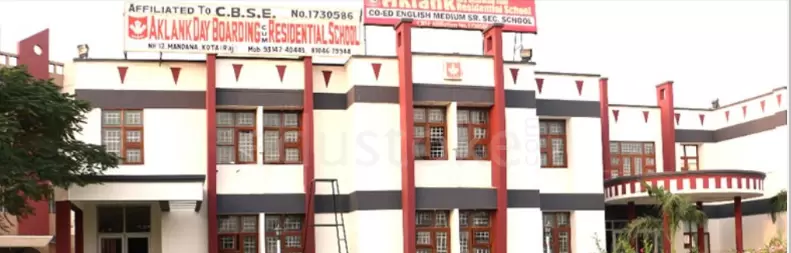

Aklank Day Boarding Cum Residential School, Kota
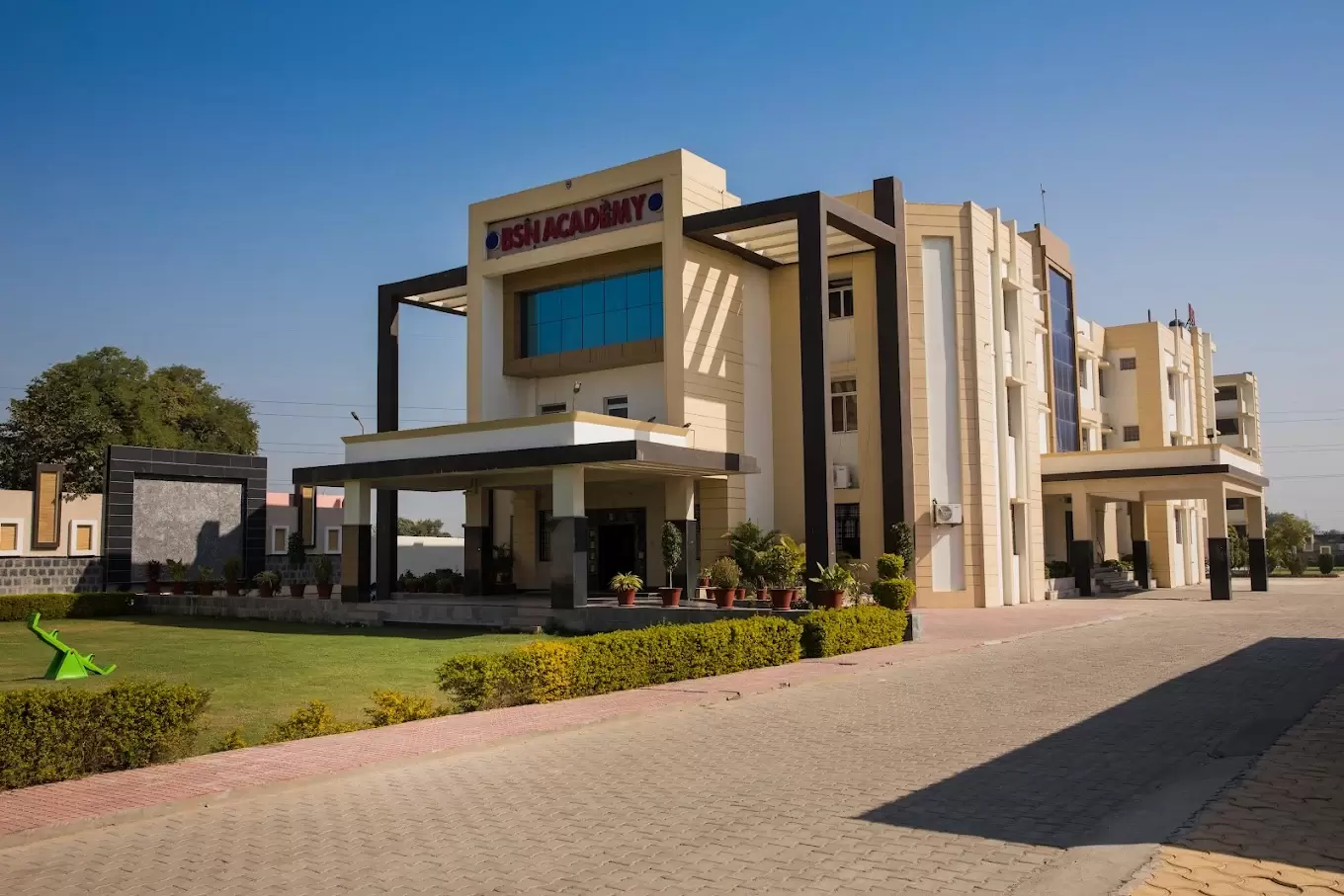

BSN Academy, Kota
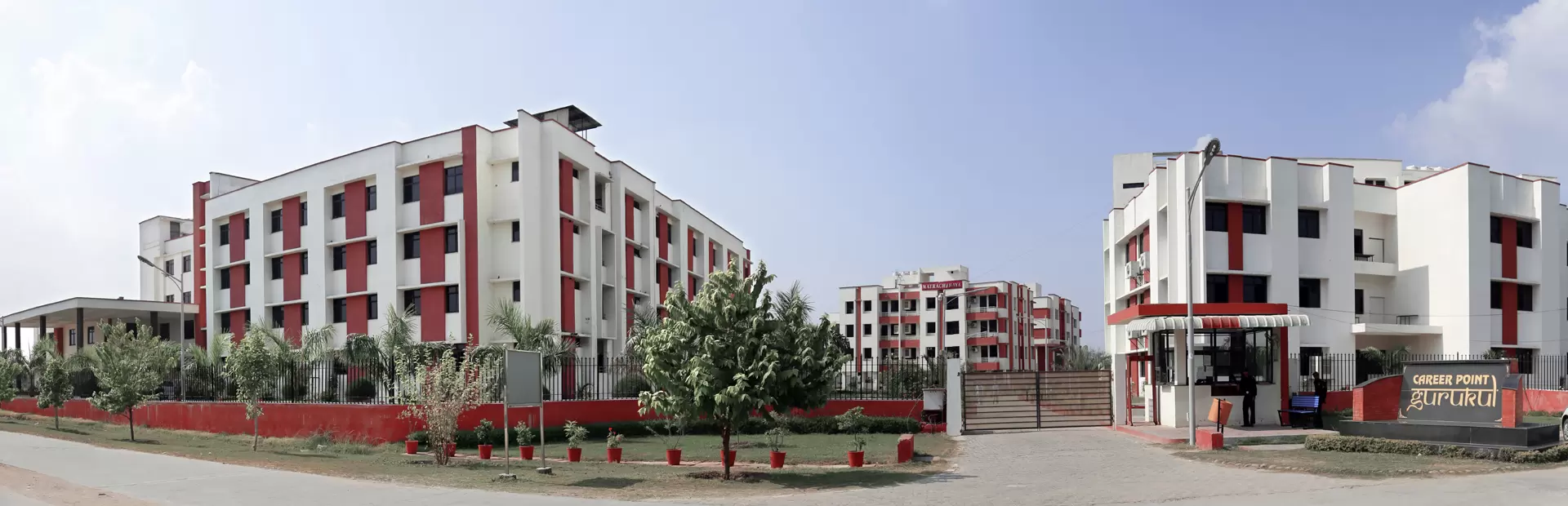

Career Point Gurukul (CPG), Kota
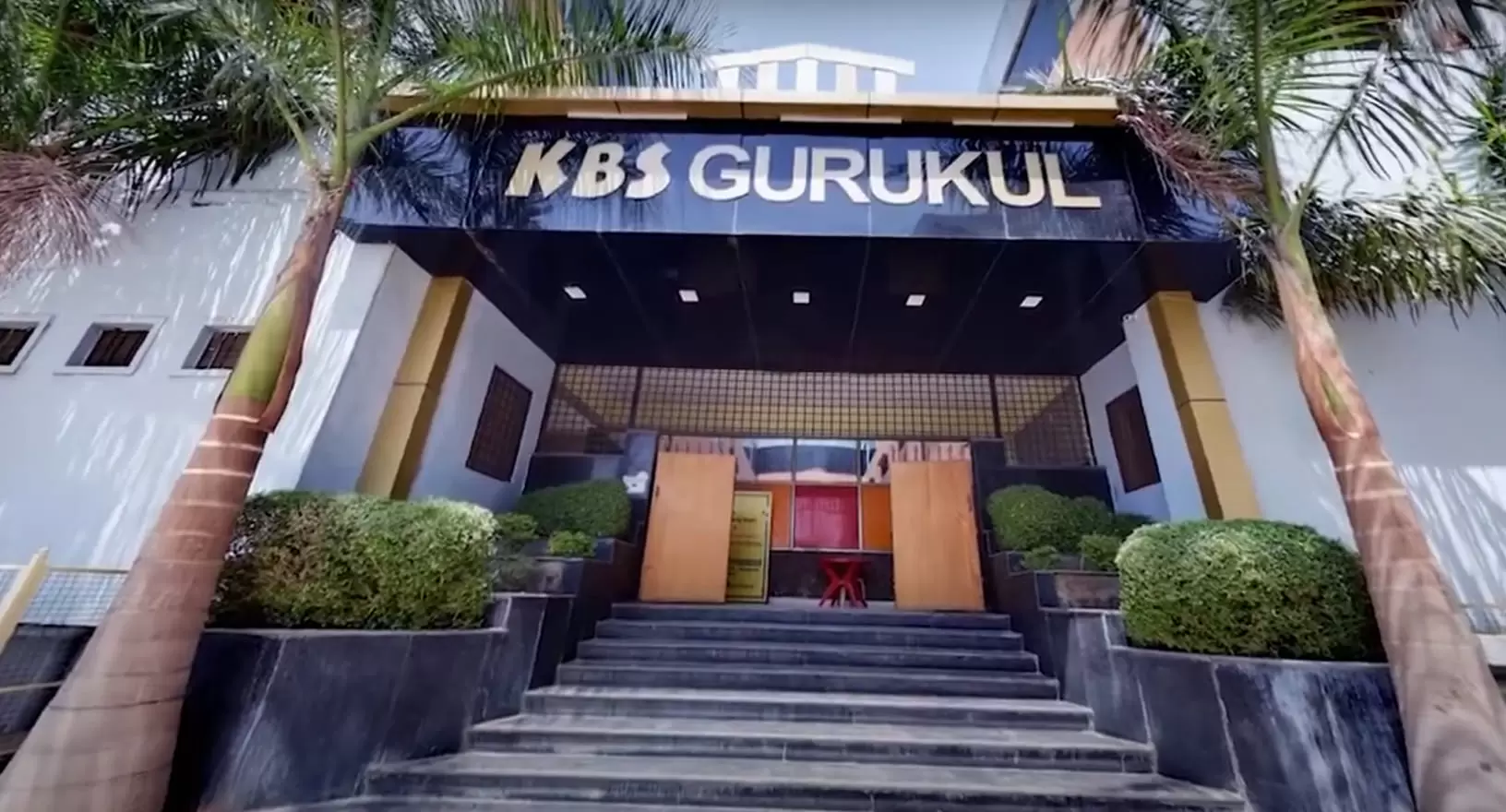

KBS Gurukul Sr. Sec. School, Kota
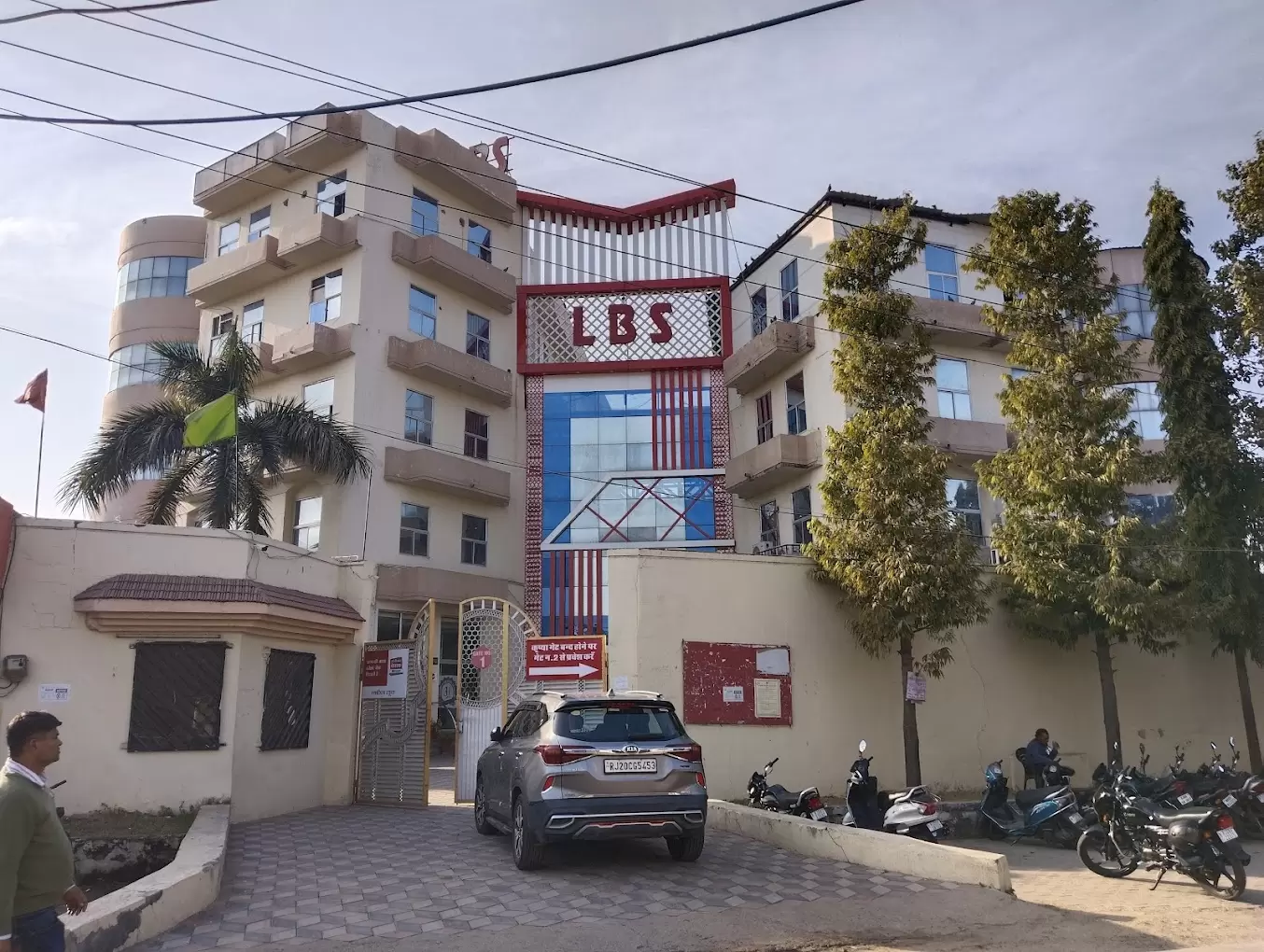

LBS School (LBS), Kota
Rajasthan's Premier Boarding Schools: Strategic Analysis for Discerning Parents
The Educational Landscape of Rajasthan's Elite Boarding Schools
Rajasthan, a state synonymous with royal heritage and enduring traditions, presents an educational landscape as rich and complex as its history. Its premier boarding schools are not merely academic institutions; they are crucibles of character, shaped by a unique duality of legacy and modernity. For parents navigating this landscape, particularly those from an academically rigorous environment like Kota, understanding this context is the first step toward making a strategically sound decision for their child's future. The state's offerings range from institutions founded over a century ago to groom the aristocracy of princely states to new-age international schools equipped with robotics labs and global curricula. This analysis provides a comprehensive framework for evaluating these institutions for the 2025-26 academic session.
The Duality of Rajasthan's Educational Identity: Heritage vs. Modernity
The foundational narrative of elite education in Rajasthan is deeply rooted in its aristocratic past. Institutions like Mayo College, established in 1875 by the Viceroy of India with the explicit aim of creating an "Eton of India," were designed to educate the sons of princes and nobles, preparing them for their royal duties within the framework of the British Empire. This history is not just a footnote; it is the very essence of their brand identity. The culture of discipline, the emphasis on leadership, the architectural grandeur, and the powerful, multi-generational alumni networks are direct descendants of this legacy. For these schools, their history is their most potent marketing tool, promising an intangible but highly valued social and character-building capital that is nearly impossible for newer institutions to replicate.
In stark contrast to this deep-rooted heritage is the rise of modern, globally-focused institutions that have emerged over the past two decades. Schools such as Heritage Girls School in Udaipur (established 2014) and Neerja Modi School in Jaipur (established 2001) represent a different educational philosophy. Unable to compete on a 150-year legacy, these schools have strategically positioned themselves as paragons of modernity. Their value proposition is built on tangible, verifiable assets: state-of-the-art, often fully air-conditioned campuses, international curricula like the Cambridge Assessment International Education (CAIE) and the International Baccalaureate (IB), and specialized programs in STEM, robotics, and design thinking that are explicitly designed to prepare students for 21st-century careers.
This creates a fundamental strategic choice for parents. An investment in a legacy institution like Mayo College is an investment in a brand that promises a certain type of character formation and access to an exclusive, powerful social network. Conversely, an investment in a modern school like Heritage Girls or Neerja Modi is an investment in tangible, immediate benefits: globally recognized qualifications and skills tailored for a rapidly changing world. This report frames the detailed institutional assessments within this strategic dichotomy, allowing parents to align their choice with their core values and long-term goals for their child.
The "Kota Effect": How Rajasthan's Coaching Capital Shapes Parental Expectations
The user's location in Kota, India's undisputed capital of coaching for hyper-competitive entrance examinations like the Joint Entrance Examination (JEE) for engineering and the National Eligibility cum Entrance Test (NEET) for medicine, introduces a critical variable into the school selection process. Parents from this environment are conditioned to prioritize measurable academic outcomes, rigorous preparation, and clear pathways to elite national and international universities. The concept of "holistic development" while universally marketed by boarding schools, is often viewed through a pragmatic lens: how do extracurriculars and character-building contribute to the resilience and focus required to succeed in high-stakes examinations?
This market pressure, termed the "Kota Effect" is visibly influencing the strategies of boarding schools across the state. While they continue to champion a balanced education encompassing sports, arts, and leadership, there is a growing acknowledgment of the need to cater to the demand for competitive exam success. A clear signal of this market adaptation is the emergence of hybrid models, such as Divine International School in Jhunjhunu forming a strategic tie-up with Career Point, a leading Kota-based coaching institute, to offer integrated preparation for NEET and IIT exams. This model attempts to merge the pastoral, developmental environment of a boarding school with the focused, results-driven methodology of a coaching center.
This trend blurs the traditional lines between holistic education and specialized test preparation. For a parent from Kota, a school's ability to articulate and demonstrate a clear strategy for academic excellence that translates into competitive exam success is not a secondary benefit but a crucial decision-making factor. Therefore, this report critically evaluates how each institution balances these two priorities. The analysis will probe beyond the prospectus to assess whether a school's academic program provides a strong enough foundation to excel in competitive exams, whether it offers integrated coaching, or if it fosters an environment that supports parallel external coaching. This ensures the recommendations are directly relevant to the specific, high-stakes expectations of the target audience.
In-Depth Institutional Assessments of Boarding School
This section provides a granular analysis of Rajasthan's leading boarding schools, organized by their geographical and historical significance. Each profile utilizes a consistent framework to facilitate direct comparison of academic offerings, financial commitments, and institutional ethos for the 2025-26 academic year.
The Heritage Schools of Ajmer: Tradition and Transformation
Ajmer stands as the historical heart of boarding school education in Rajasthan, home to institutions that have shaped the region's elite for nearly 150 years. These schools represent the pinnacle of legacy and tradition, while simultaneously adapting to the demands of modern education.
Mayo College (Boys), Ajmer: Established in 1875, Mayo College, an all-boys institution (Classes IV-XII), is known for leadership, discipline, and architecture. It offers CBSE and Cambridge curricula (IGCSE, AS & A Levels) for Indian and global university preparation, plus a unique indigenous curriculum for younger students. Streams include Science, Commerce, and Humanities. Admission is highly competitive. The annual fee is ₹10,53,000 (total first-year cost ~₹19,76,500). The campus blends historic architecture with modern facilities like AI and robotics labs, a museum, and extensive sports infrastructure, including a SAI Centre of Excellence for Hockey and Football. Its value lies in brand equity, history, alumni network, and Cambridge curriculum adoption, making it ideal for families prioritizing leadership, character, and social networking.
Mayo College Girls' School, Ajmer: Established in 1988, Mayo College Girls' School (MCGS) is a premier residential school offering education from Class IV to XII under the Mayo College General Council. For 2025-26, MCGS offers ICSE, ISC, and Cambridge curricula. Admission involves a Common Aptitude Analysis in late August, with shortlisted candidates invited for interactions in September/October. Annual fees are ₹10,53,000, with first-year costs around ₹19,76,500 including one-time fees like a ₹2,50,000 Admission Fee and ₹5,26,500 refundable Caution Money. The purpose-built campus features seven boarding houses, academic blocks, a 50-bed hospital, and extensive facilities for Indian classical dance, music, fine arts, culinary arts, textile design, hockey, cricket, tennis, basketball, skating, and shooting. MCGS is highly recommended for its blend of Mayo prestige, tailored curriculum for girls, dual affiliation, and strong focus on arts, providing a secure, nurturing, and culturally rich environment.
Rashtriya Military School, Ajmer: Established November 15, 1930, as King George's Royal Indian Military School, this institution trains sons of defence personnel for an Armed Forces career. It's an all-boys, residential CBSE school (classes VI-XII) run by the Ministry of Defence with a military ethos. The 2025-26 program focuses on this objective. The CBSE curriculum heavily prepares students for the UPSC NDA exam. Life is highly structured: 6:00 AM physical training, classes, self-study, evening games, and preparation. NCC training is compulsory. Admission is competitive, for Classes VI and IX only, via a nationwide CET in December. 70% of seats are reserved for wards of JCOs/OR and ex-servicemen. The 2025-26 fee structure is heavily subsidized. Annual fees: Civilians ₹51,000; Officers' wards ₹32,000; JCOs' wards ₹18,000; ORs' wards ₹12,000. Wards of personnel killed in action are exempt. The 87-acre campus supports rigorous academic and physical training, including modern academic facilities and extensive sports grounds (hockey, football, cricket, boxing) and NCC training areas.
Rashtriya Military School, Ajmer, is the top choice for parents aspiring for their sons to join the Indian Armed Forces. Its disciplined lifestyle, targeted NDA preparation, and low, subsidized fees offer an unparalleled, high-return educational path for national service.
The Birla Educational Hub of Pilani: A Legacy of Philanthropy and Excellence
Pilani is an educational hub defined by the Birla family's legacy. The Birla Education Trust (BET), founded in 1929, manages institutions like Birla School, Vidya Niketan (BPS), and Birla Balika Vidyapeeth, all benefiting from shared resources and a "halo effect" from nearby BITS Pilani, attracting parents focused on science and engineering.
Birla School, Pilani (Boys): Established in 1901, this CBSE-affiliated boys' residential school (Class V-XII) is the oldest Birla institution. Admissions for 2025-26 (Classes V-IX, XI) are open November-April, requiring an aptitude test. It offers a moderate fee structure: ₹2,90,860 (Class V), ₹3,72,060 (VI-VIII), ₹4,14,720 (IX-X), ₹4,50,680 (XI-XII), plus one-time fees of ₹10,000 (admission) and ₹15,000 (caution money). Its campus features traditional Rajasthani architecture and well-regarded boarding facilities. It's a high-value, disciplined, academically focused choice.
Vidya Niketan (Birla Public School), Pilani (Boys): Founded in 1944, BPS is a distinct CBSE-affiliated all-boys residential school (Class V-XII) with a unique Montessori heritage. Admissions require an aptitude test. It's a premium institution with higher fees: ₹4,59,400 (IV-V), ₹5,71,387 (VI-VIII), ₹6,19,600 (IX-X), ₹6,62,864 (XI-XII), plus one-time fees of ₹2,500 (registration) and ₹25,000 (admission). Its 100-acre campus boasts extensive sports facilities (football, handball, swimming, climbing wall) and offers all three NCC wings. Ideal for parents valuing co-curriculars and physical development alongside academics.
Birla Balika Vidyapeeth, Pilani (Girls) Established in 1941, BBV is a premier CBSE-affiliated English-medium all-girls residential school (Class V-XII), a member of IPSC and Round Square. It offers Science, Commerce, and Humanities. Noted for its NCC Band (50 years at Republic Day parade), strong science focus (Young Scientist India winners), and diverse clubs. Admissions for 2025-26 are open, requiring registration and an aptitude test. Annual fees range from ₹4,83,200 to ₹4,94,400. Its 27-acre green campus is within the BITS Pilani ecosystem, with notable alumni in Bollywood and civil service. A top-tier choice for holistic, empowering education.
The Modern Metropolises: Jaipur & Udaipur
Jaipur and Udaipur host a new generation of boarding schools that combine Rajasthan's cultural richness with a modern, metropolitan outlook. These institutions often feature international curricula and cater to a globally-minded clientele.
Maharani Gayatri Devi Girls' School, Jaipur (MGD): Established 1943, MGD was India's first public school for girls. It's now a prestigious day-cum-boarding school (Class I-XII) with CBSE and Cambridge curricula. Admissions for 2025-26 boarders open Oct 15, 2024. Entrance tests/interviews are required (Class III-IX, XI). Annual boarding fee is ~₹4,92,600; total first-year cost for a Class VI boarder is ~₹6,45,650 (includes one-time fees). The 26-acre Jaipur campus has heritage architecture, modern facilities, six boarding houses, sports fields, and a swimming pool. MGD offers a unique blend of royal heritage, pioneering girls' education, and modern academics, making it a highly sought-after institution.
Neerja Modi School, Jaipur (NMS): Founded 2001, NMS is a co-educational day and boarding school known for progressive, world-class education. It offers CBSE, Cambridge (IGCSE), and IB Diploma Programme curricula. NMS emphasizes future-ready skills, with STEM education (robotics from Grade 1), Python programming, and Design Thinking. Admissions for 2025-26 are open. Annual boarding fees range from ₹3,50,000 to ₹6,00,000; day school fees are ₹1,15,000 to ₹1,37,000. The 20-acre campus has modern facilities and a diverse student body. NMS is ideal for parents seeking a global, future-focused education, excelling in its multi-curricula offering and advanced STEM programs.
Heritage Girls School, Udaipur: Established 2014, Heritage Girls School is a top-ranked all-girls boarding school (Class V-IX, XI). It offers CBSE and Cambridge (IGCSE) curricula. New students for 2025-26 report in April 2025; 2026-27 admissions begin Dec 2025. Annual fee is ₹5,20,000-₹5,90,000. One-time fees (Registration: ₹20,000, Admission: ₹40,000, Refundable Security Deposit: ₹50,000) bring the total first-year cost to ~₹6,30,000. The 12.5-acre, air-conditioned, Wi-Fi-enabled campus overlooks Lake Baghela and features a modern sports complex with a half-Olympic size pool and various courts, including golf. Heritage Girls School exemplifies elite, modern Indian boarding schools, competing on its superior infrastructure, global curriculum, and nurturing, secure environment for girls.
Regional Powerhouses
Beyond the major hubs, several other institutions in Rajasthan have carved out a reputation for excellence, serving as important regional centers for quality residential education.
The Sagar School, Alwar: The Sagar School's primary differentiator is its magnificent, self-contained campus that provides a unique, immersive boarding experience. Its location in the NCR makes it an attractive option for parents from Delhi and surrounding areas. The combination of a co-educational environment, a dual curriculum, and outstanding infrastructure makes it a strong contender for parents seeking a modern, well-balanced, and holistic residential education for their children.Established in 2000, The Sagar School is a co-educational, fully residential school near Alwar, NCR, on a 165 acre campus in the Aravalli hills. For 2025-26, it offers CBSE and IGCSE (CAIE) curricula. Admissions are open for April 2025, with applications due by December 31, 2025, for classes V-XI, involving a proficiency test and committee interaction. The annual fee is ₹8,25,000, with one-time fees totaling ₹2,65,000 (Registration ₹15,000, Admission ₹1,00,000, refundable Security Deposit ₹1,50,000). Total first-year cost is about ₹11,75,000. The eco-friendly campus boasts modern infrastructure, including academic blocks, a media center, science block, observatory, auditorium, amphitheater, and extensive sports facilities (equestrian, tennis, football, hockey, indoor courts). Its large, self-contained campus and NCR location make it a strong option for a modern, holistic residential education.
Career Point Gurukul Kota: Established in 2010, Career Point Gurukul Kota is a well-regarded institution in Kota, affiliated with CBSE board. It offers a comprehensive residential program with a stated focus on holistic development and "life training" alongside academic pursuits. Given the user's location in Kota, Career Point Gurukul Kota presents a strong and convenient local boarding option. It provides an opportunity for students to experience the benefits of a residential school environment such as structured routines, peer learning, and independence—without being geographically distant from their families. This can be a significant advantage for parents who prefer to remain closely involved in their child's schooling. The school provides comprehensive residential facilities, including digital classrooms and a variety of recreational activities, aiming to create a balanced and nurturing environment for its students. For a Kota-based parent, Career Point Gurukul Kota offers a compelling and pragmatic choice. It serves as a valuable local alternative to the city's dominant coaching-center culture, providing a more holistic and developmentally focused residential experience. Its affordability, combined with the convenience of being located within the city, makes it a strong contender for parents who seek a balanced educational approach for their child while remaining in close proximity. It is an ideal option for those looking to foster independence and all-round growth in a structured boarding environment close to home.
Strategic Comparative Analysis
This section synthesizes the detailed institutional data into comparative frameworks, providing parents with the tools to analyze their options based on key strategic priorities: financial investment, academic focus, institutional culture, and admissions competitiveness.
Financial Commitment Analysis (2025-26)
A clear understanding of the complete financial outlay is critical for decision-making. The following table moves beyond the advertised annual fee to present the Total First-Year Cost, which includes all significant one-time payments such as admission fees and refundable security deposits. This figure represents a more accurate measure of the initial investment required to secure admission. The schools are tiered into distinct financial categories: Premium Heritage (>18L), Modern Elite (>6L), Birla Ecosystem ($4L-$6L), and High-Value Regional (<$2L).
|
School Name |
City |
Gender |
Annual Fee (Approx. INR) |
One-Time Fees (Approx. INR) |
Total First-Year Cost (Approx. INR) |
|---|---|---|---|---|---|
| Premium Heritage Tier | |||||
| Mayo College | Ajmer | Boys | ₹10,53,000 | ₹9,23,500 | ₹19,76,500 |
| Mayo College Girls' School | Ajmer | Girls | ₹10,53,000 | ₹9,23,500 | ₹19,76,500 |
| The Sagar School | Alwar | Co-Ed | ₹8,25,000 | ₹2,65,000 | ₹11,75,000 |
| Modern Elite Tier | |||||
| Maharani Gayatri Devi Girls' School | Jaipur | Girls | ₹4,92,600 | ₹1,55,000 | ₹6,47,600 |
| Heritage Girls School | Udaipur | Girls | ₹5,20,000 | ₹1,10,000 | ₹6,30,000 |
| Neerja Modi School | Jaipur | Co-Ed | ₹4,00,000 - ₹6,00,000 | Not Available | ₹4,00,000 - ₹6,00,000 |
| Birla Ecosystem Tier | |||||
| Vidya Niketan (BPS), Pilani | Pilani | Boys | ₹5,71,387 | ₹27,500 | ₹5,98,887 |
| Birla Balika Vidyapeeth | Pilani | Girls | ₹4,94,400 | Not Available | ₹4,94,400 |
| Birla School, Pilani | Pilani | Boys | ₹3,72,060 | ₹25,000 | ₹3,97,060 |
| High-Value Regional Tier | |||||
| CP Gurukul School | Kota | Co-Ed | ₹2,70,000 - ₹3,40,000 | Not Available | ₹2,70,000 - ₹3,40,000 |
| Rashtriya Military School | Ajmer | Boys | ₹51,000 (Civilian) | Minimal | ~₹51,000 |
The analysis reveals a clear financial stratification. The Mayo College institutions occupy a tier of their own, commanding a first-year investment approaching ₹20 Lakhs, a price point justified by their unparalleled brand legacy. The modern elite schools in Jaipur and Udaipur, along with The Sagar School, form the next tier, with costs ranging from ₹6 Lakhs to ₹12 Lakhs. The Birla schools in Pilani offer a more moderate price point, providing access to a reputed educational ecosystem for an initial cost of ₹4 Lakhs to ₹6 Lakhs. Finally, the regional and specialized schools like CP Gurukul Kota and RMS Ajmer offer exceptional value, with fees significantly lower than the state's other premier institutions.
Academic & Curricular Matrix
The choice of curriculum is a primary filter for parents, directly influencing future higher education and career pathways. This matrix compares the academic offerings of each school, highlighting not just the affiliated boards but also unique specializations that constitute a key competitive advantage.
|
School Name |
Primary Board |
International Board(s) |
Key Academic Specializations & Focus |
|---|---|---|---|
| Mayo College | CBSE | CAIE (IGCSE, AS & A Level) | Leadership, Dual Curriculum, Object-Based Learning via Museum |
| Mayo College Girls' School | CISCE (ICSE, ISC) | CAIE (IGCSE) | Strong Arts & Humanities, Holistic Development |
| Rashtriya Military School | CBSE | None | Focused preparation for UPSC NDA Entrance Exam, Military Training |
| Birla School, Pilani | CBSE | None | Strong Academics within the BITS Pilani Ecosystem |
| Vidya Niketan (BPS), Pilani | CBSE | None | Holistic Development, Montessorian Roots, Extensive Co-curriculars |
| Birla Balika Vidyapeeth | CBSE | None | Strong in Science, Robotics Club, Civil Services Club, NCC |
| MGD Girls' School | CBSE | CAIE (IGCSE) | Empowering Girls' Education, Strong Heritage, Dual Curriculum |
| Neerja Modi School | CBSE | CAIE (IGCSE), IB DP | STEM, Robotics, Python Coding, Design Thinking, Multi-board Flexibility |
| Heritage Girls School | CBSE | CAIE (IGCSE) | Modern Pedagogy, Global Outlook, Skill Development Programs |
| The Sagar School | CBSE | IGCSE | Experiential Learning, International Diversity |
| CP Gurukul School | CBSE | None | Integrated Academics with "Life Training" |
This matrix illuminates the strategic positioning of each school. Neerja Modi School emerges as the most academically diverse, offering three distinct boards and a clear focus on future-ready skills. The Mayo schools and MGD provide valuable flexibility with their dual-board options. The Birla schools and RMS, meanwhile, offer a focused and deep engagement with the CBSE curriculum, aligning them well with preparation for national competitive exams.
Analysis of Institutional Culture and Environment
Beyond financials and curricula, the ethos of a school is a critical factor. The cultural environment can be broadly categorized along three axes:
- Single-Gender vs. Co-Educational: Rajasthan has strong single-gender schools (e.g., Mayo College, Heritage Girls) fostering focus and tailored leadership. Co-educational schools (e.g., The Sagar School, Neerja Modi School) prepare students for real-world interactions through collaboration.
- Traditional & Hierarchical vs. Progressive & Liberal: Legacy institutions (e.g., Mayo College, Rashtriya Military School) prioritize discipline and tradition. Newer schools (e.g., Neerja Modi, Heritage Girls) adopt a student-centric approach with collaboration and experiential learning.
- Military Discipline vs. Holistic Development: Rashtriya Military School focuses on military discipline. Other schools (e.g., Heritage Girls, The Sagar School) emphasize holistic development, offering diverse sports, arts, and clubs for individual passion nurturing.
Reviews of Best Boarding Schools in Rajasthan
Very satisfied with labs and library; extra curricular programs are varied and well-run.
Strong focus on academics and cultural activities. School organizes events regularly which my child enjoys.
Exceptionally supportive teachers and vibrant cultural activities. Feels like good value for fees paid.
Excellent infrastructure and modern classrooms. Teachers are approachable and extra activities are varied. Fees are fair for the facilities offered.