India's Best Day School
Selecting the right day school plays a vital role in shaping your child’s academic foundation and overall growth. With countless options across India, finding a school that offers the right blend of academics, extracurricular activities, and values can feel overwhelming. At Better Study, we simplify this process by helping parents explore and compare the best day schools in India. Our listings provide complete details on curriculum options (CBSE, ICSE, IB, and State Boards), facilities, teaching quality, fees, and admission guidelines. Whether you are looking for a school with strong academic results, modern infrastructure, or holistic development opportunities, Better Study brings you verified and trusted information in one place. Empower your child with a quality education by choosing the right day school. Begin your search with Better Study today and discover schools that focus on learning, discipline, and all-round excellence.All Filters


Stairs School Of Excellence, Kota
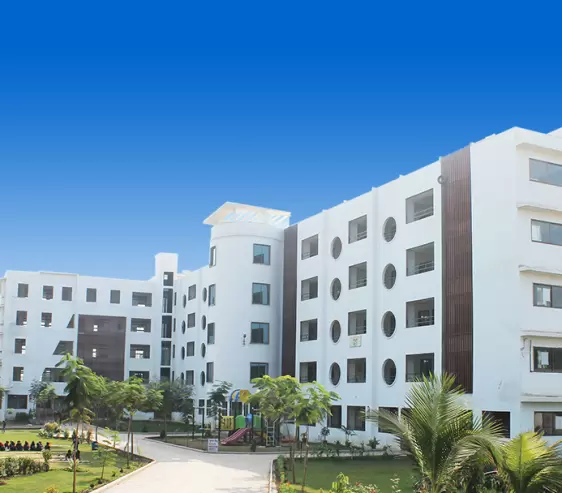

New Look Central School, Banswara
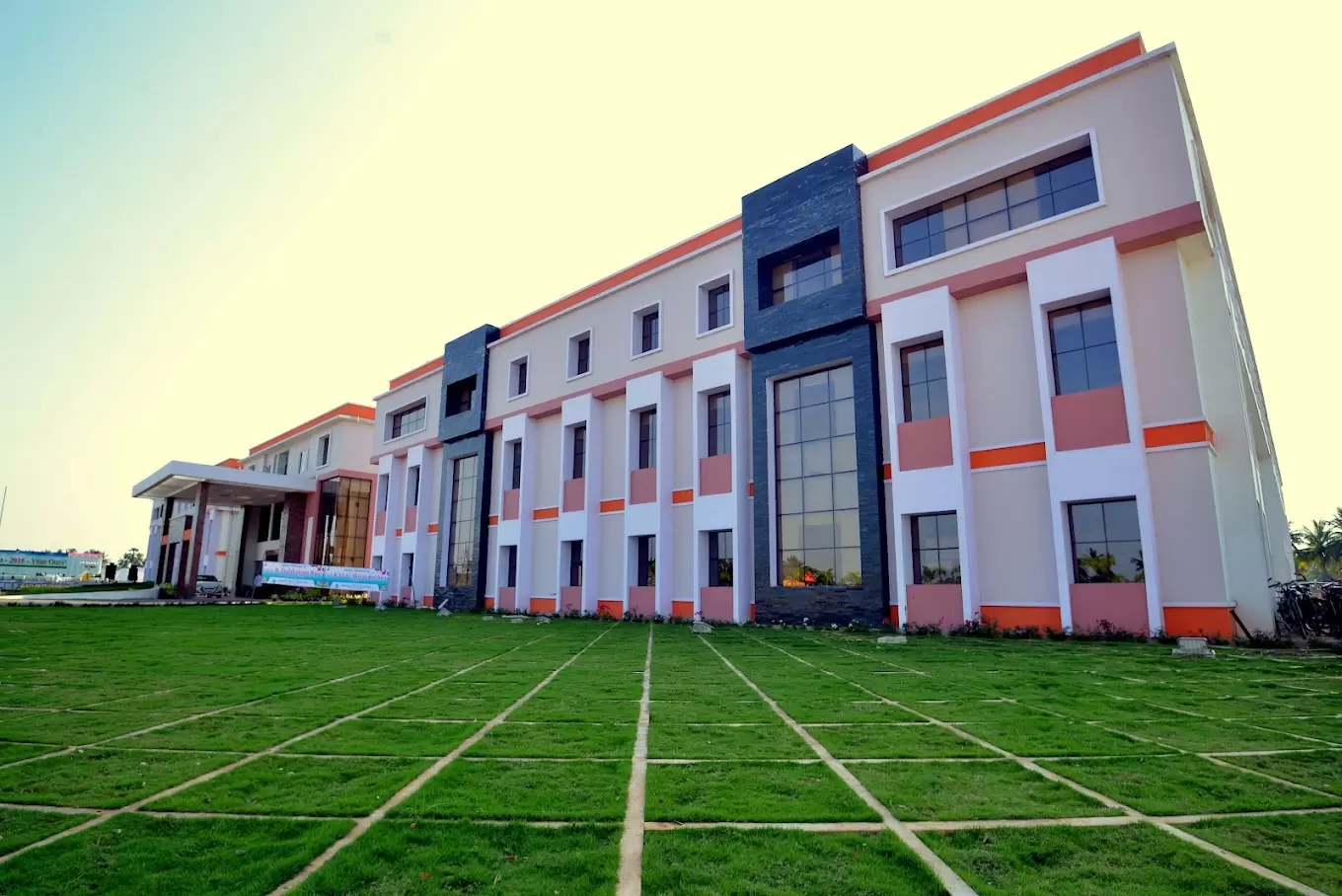

Green Field International School, Kakinada
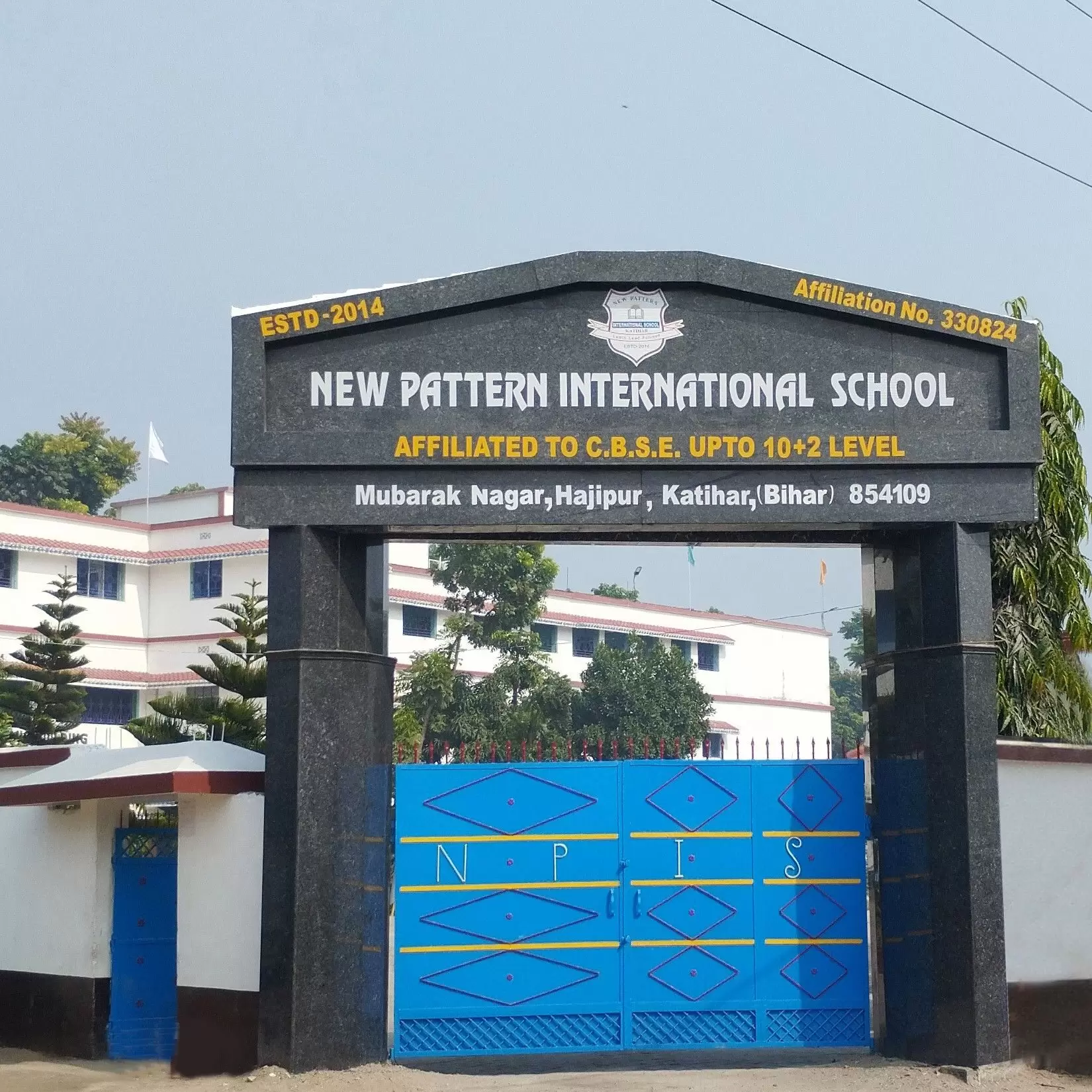

New Pattern English School, Katihar
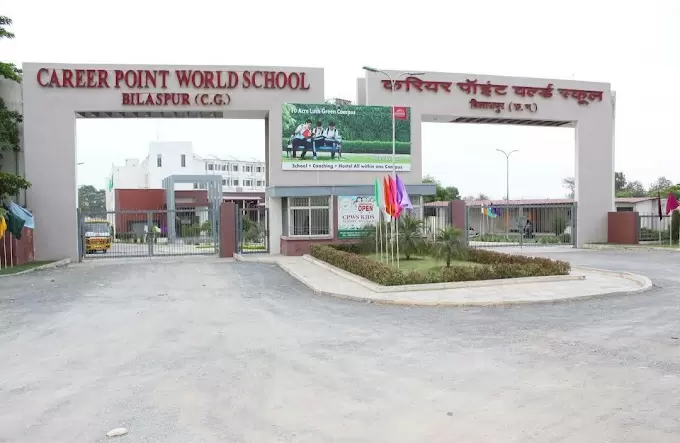

Arpa River Valley (CPWS), Bilaspur
Find Best Day Schools in India – Complete Guide for Parents
Introduction: Why the Right School Matters
The decision of selecting the right school for a child is one of the most important steps parents take in shaping their future. A good school is not just about academic results; it is about instilling discipline, values, confidence, and creativity in students. In India, where education has always been considered the foundation of success, parents face the challenge of choosing from a wide variety of schools. Among all types of institutions, day schools remain the most popular choice as they offer a structured learning environment while allowing children to return home and spend quality time with their families. This balance between academic growth and family connection makes day schools the first preference for most families.
Understanding Day Schools in India
A day school is a school where students attend classes during the day and return home in the afternoon or evening. Unlike boarding schools, these institutions do not provide hostel or residential facilities. In India, day schools can be categorized into government schools, private schools, and international schools. Government schools usually follow state board or CBSE curricula and are affordable for all sections of society. Private schools operate independently and often provide CBSE, ICSE, or state board education with modern infrastructure. International schools, affiliated with IB or Cambridge boards, are relatively expensive but offer global exposure and advanced teaching methods.
Advantages of Choosing a Day School
There are several reasons why parents prefer day schools. One of the biggest advantages is the emotional bond children maintain with their families. After spending their day at school, they return home where parents can support and monitor their progress closely. This connection is especially valuable in the formative years. Day schools are also more affordable than boarding schools since they do not include hostel and residential charges. They are widely available across cities and towns, unlike boarding schools that are concentrated in specific regions. Day schools also give students a chance to balance academics with extracurricular activities while remaining connected to their home environment.
Curriculum Options in Day Schools
The choice of curriculum plays a vital role in shaping a child’s academic journey. In India, parents can choose from several boards. The Central Board of Secondary Education (CBSE) is the most widely chosen and is known for its focus on science, mathematics, and preparation for national-level competitive exams such as JEE and NEET. The Indian Certificate of Secondary Education (ICSE) provides a detailed syllabus with a strong emphasis on English and analytical skills. International boards like the International Baccalaureate (IB) and Cambridge IGCSE are selected by parents who seek global exposure, innovative teaching methods, and worldwide recognition. State boards, on the other hand, are chosen for their affordability and regional curriculum structure, often taught in local languages. Each curriculum has its strengths, and the choice depends on the aspirations and learning style of the child.
Key Factors Parents Should Consider
Finding the best day school in India requires looking beyond brand names and rankings. Parents should focus on several practical aspects. The academic reputation of a school is important, but so are extracurricular opportunities, infrastructure, and student safety. A good school should have modern classrooms, libraries, laboratories, and sports facilities that allow children to explore their potential. Teachers play a crucial role, so parents must ensure the school employs qualified and experienced faculty. The location of the school also matters, as long commutes can drain a child’s energy and affect learning. Fees should be compared with the quality of education provided, and parent reviews can help in understanding real experiences. By evaluating these factors together, families can make an informed decision.
Leading Day Schools Across India
India is home to some of the most prestigious day schools, each offering a unique blend of academics and holistic development. The Shri Ram School in Delhi and Gurugram is known for its innovation and emphasis on creativity. La Martiniere for Boys and La Martiniere for Girls in Kolkata are institutions with a strong legacy and a reputation for discipline. Cathedral and John Connon School in Mumbai is consistently ranked among the top for its holistic education. Dhirubhai Ambani International School in Mumbai offers an international curriculum and world-class facilities, making it a preferred choice for many. Modern School, Barakhamba Road in Delhi, has built an unmatched reputation over decades, while Mallya Aditi International School in Bengaluru is recognized for its focus on creativity and global outlook. Delhi Public School, RK Puram in New Delhi, remains one of the strongest names in CBSE schools, producing excellent academic results year after year. These schools set benchmarks for others and represent the diversity and quality available in India’s day school education.
Fee Structure of Day Schools in India
The cost of education in day schools varies depending on the type of institution. Government-run schools are highly affordable and often charge only a few thousand rupees annually, making them accessible to all families. Private schools following CBSE or ICSE charge between one to three lakh rupees per year, depending on their facilities and location. International day schools, especially those affiliated with IB or Cambridge boards, can charge as high as four to ten lakh rupees annually. Parents need to carefully balance the fee with the facilities, curriculum, and long-term outcomes before making a choice. While affordability is important, the value of education received should be the deciding factor.
Admission Process and Eligibility
The admission process for day schools in India generally begins with parents filling out an application form, which can be submitted online or at the school office. For nursery or kindergarten admissions, strict age criteria apply. For higher classes, schools often evaluate the student’s past academic performance. Many reputed schools conduct entrance examinations to test skills in English, Mathematics, and General Knowledge. Some schools also invite parents for interviews to understand their involvement and expectations. Once the child is selected, the school issues an admission letter, and parents are required to pay the fees to confirm the seat. Since the competition for top schools is high, parents are advised to apply early and prepare their child for any entrance interactions.
How Parents Can Select the Right Day School
Selecting the right school requires a mix of research and observation. Parents should personally visit schools to assess the infrastructure and meet teachers. Comparing at least two or three schools helps in making a balanced choice. It is also important to understand the child’s personality and learning style. For example, a child interested in creative arts may thrive in a school that encourages artistic expression, while a child focused on academics may perform better in a school with a strong record of competitive exam preparation. Location is another key factor because spending long hours commuting can affect a child’s health and productivity. Parent feedback and alumni experiences are also useful resources in this decision-making process.
Day Schools vs Boarding Schools: A Comparison
Parents often compare day schools and boarding schools before making a final decision. Day schools provide children with the advantage of daily family interaction, which helps in emotional and moral development. Parents can monitor studies closely and provide additional support when needed. Day schools are also more flexible for families who might relocate due to job transfers. They are comparatively more affordable, and children get to develop local friendships and networks. Boarding schools, however, offer an environment that promotes self-reliance, discipline, and independence, but they also separate children from their families for long periods. The decision between the two depends entirely on family preferences, financial planning, and the child’s personality.
Challenges Faced in Day Schools
Despite their advantages, day schools also come with certain challenges. In big cities, commuting can consume a lot of time and energy for children. Parents also need to arrange for additional guidance in the form of tuition or coaching if required. Unlike boarding schools, day schools may not fully encourage independence since children spend less time on campus. Balancing school, homework, and extracurricular activities can also become stressful if not managed properly. However, with proper planning and support, most of these challenges can be overcome.
Finding the best day school in India is not a decision to be taken lightly. Parents should look beyond glossy advertisements and popular names and focus on practical factors such as curriculum, teaching quality, safety measures, and the overall philosophy of the school. With proper research and a clear understanding of the child’s strengths and interests, parents can make a decision that sets the foundation for a bright future. Platforms like Better Study make this process easier by providing verified and reliable information that allows parents to compare schools effectively. Day schools continue to remain the backbone of Indian education as they offer the perfect combination of academics, extracurricular opportunities, and family connection. With the right choice, parents can give their child not just quality education but also the values, skills, and confidence to succeed in life.
Reviews of India's Best Day School
Excellent range of extracurricular activities and very caring teachers. Fees are reasonable for the facilities and attention students receive.
The campus is spacious and the facilities are well-maintained. Teachers are supportive.
Friendly staff, neat dorms and good food. Extra coaching for weak subjects would be helpful.
Smooth admission, clear communication, and good value for the fees charged.