Best CBSE Day Schools in India
Parents across India are increasingly seeking CBSE day schools that balance academic excellence with strong extracurricular and value-based education. CBSE-affiliated schools follow a unified national curriculum that ensures consistency in standards while preparing students for national-level competitive exams. In this guide, we explore the best CBSE day schools across India, their features, rankings, and unique offerings to help you make an informed decision for your child.All Filters
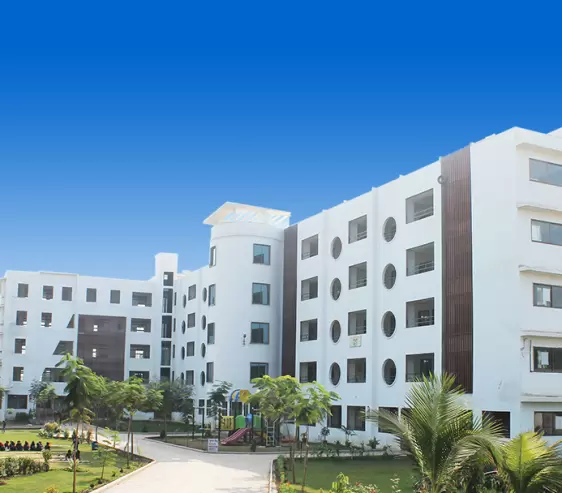

New Look Central School, Banswara
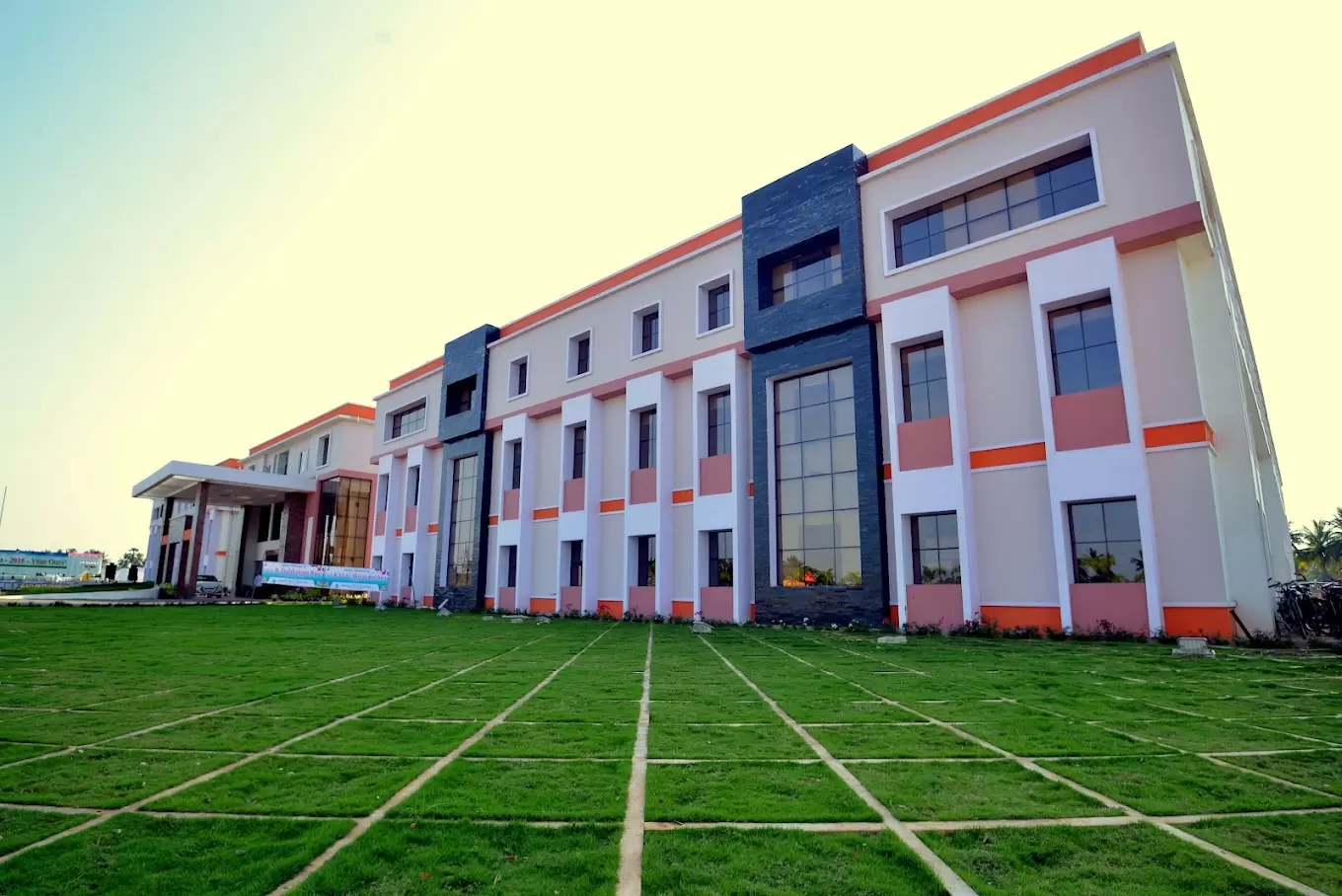

Green Field International School, Kakinada
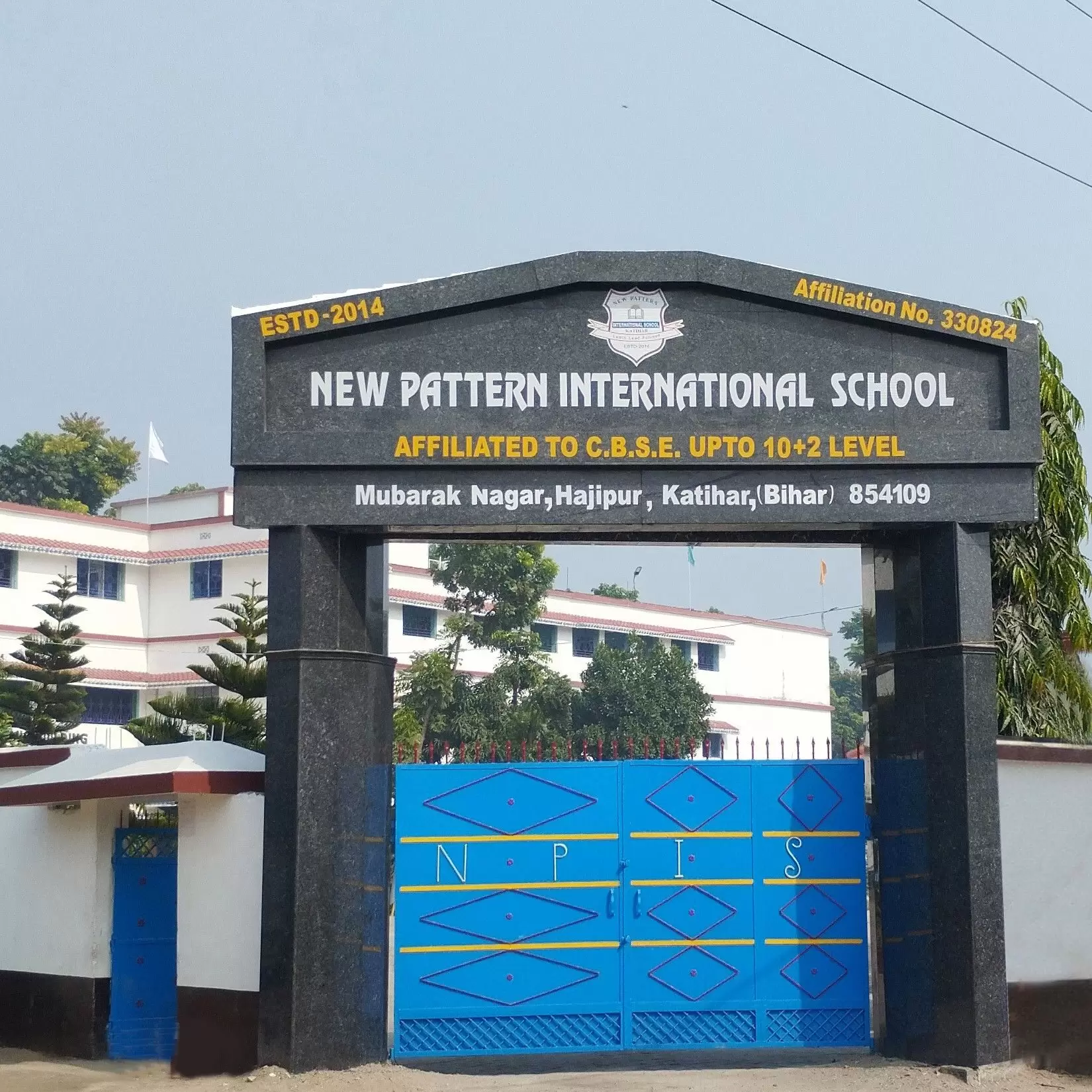

New Pattern English School, Katihar
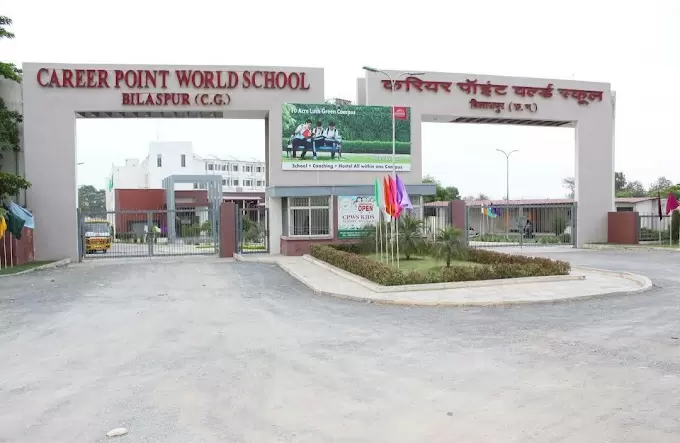

Arpa River Valley (CPWS), Bilaspur


The Academic City School - Indore
Overview of CBSE Day Schools
A CBSE day school refers to an institution affiliated with the Central Board of Secondary Education that operates on a day-school model, where students attend classes during the day and return home after school hours. These schools follow a structured syllabus emphasizing conceptual learning, continuous assessment, and 21st-century skills like communication, critical thinking, and creativity.
Unlike boarding schools, CBSE day schools allow children to stay with their families while still benefiting from the CBSE’s rigorous curriculum and activity-based education. Most leading CBSE schools also integrate digital classrooms, sports programs, and global exposure to prepare students for a competitive world.
Why Choose a CBSE Day School?
Choosing a CBSE day school means opting for stability, national-level recognition, and well-rounded learning. The board’s uniform curriculum ensures academic continuity even when families relocate across states. CBSE assessment formats encourage students to focus on understanding rather than rote learning.
Moreover, the CBSE curriculum aligns closely with entrance exams like JEE, NEET, and CUET, making it ideal for students targeting higher education in India’s top institutions. Beyond academics, many CBSE schools emphasize life skills, arts, and athletics creating a balanced environment for holistic growth.
Top CBSE Day Schools in India
India is home to some of the finest CBSE day schools offering cutting-edge facilities, innovative teaching pedagogy, and experienced faculty. Below is a comparative overview of some of the top-ranked schools representing diverse regions.
| School Name |
Location |
Key Strengths |
Fee Range (Approx.) |
Unique Feature |
| New Pattern English School |
Katihar |
Strong academics, disciplined environment |
₹60,000–₹80,000 |
Focus on bilingual learning and STEM labs |
| Green Field International School |
Kakinada |
International exposure with CBSE base |
₹80,000–₹1,00,000 |
Smart classrooms, robotics, and activity programs |
| Greatmen International School (GIS) |
Sagar |
Excellent sports and co-curricular balance |
₹75,000–₹90,000 |
Leadership programs and Olympiad support |
| Arvind International Residential School |
Tumkur |
Value-centric education with modern infrastructure |
₹90,000–₹1,20,000 |
STEM-integrated labs and co-ed facilities |
| Arpa River Valley (CPWS) |
Bilaspur |
Affordable quality education |
₹50,000–₹70,000 |
Green campus with emphasis on sustainability |
| Stairs School of Excellence |
Kota |
Strong IIT-JEE and NEET foundation programs |
₹1,00,000–₹1,40,000 |
Focus on academic excellence and innovation |
| New Look Central School |
Banswara |
Student-focused approach with personalized mentoring |
₹60,000–₹80,000 |
Excellent arts and cultural exposure |
| Grace Academy |
Dehradun |
Reputed for discipline and leadership development |
₹85,000–₹1,10,000 |
Emphasis on moral values and all-round progress |
| NIMT School (NIMT) |
Ghaziabad |
Modern teaching methods, tech-enabled learning |
₹90,000–₹1,30,000 |
Career-oriented approach, Olympiad mentorship |
| North Point Senior Secondary Boarding School (NPSSBS) |
Kolkata |
Academic rigor and co-curricular excellence |
₹1,00,000–₹1,50,000 |
Leadership programs & diverse clubs |
| Douglas Memorial Higher Secondary School (DMHSS) |
Barrackpore, Kolkata |
Legacy institution with academic distinction |
₹80,000–₹1,00,000 |
Outstanding alumni performance |
| Pratt Memorial School (PMS) |
AJC Bose Road, Kolkata |
Renowned CBSE institution for girls |
₹1,00,000–₹1,40,000 |
Academic excellence and ethics education |
| The Academic City School |
Indore |
Project-based learning and innovation labs |
₹90,000–₹1,20,000 |
Future skills, STEAM emphasis |
These institutions collectively represent a cross-section of India’s top CBSE day schools that combine strong pedagogy, strong infrastructural support, and holistic development models.
Best CBSE Day Schools by Category
Different schools stand out in specific areas. Here’s how they compare across key excellence categories:
- Best for Academics: Stairs School of Excellence (Kota), NIMT School (Ghaziabad), NPSSBS (Kolkata)
- Best for Sports & Arts:Greatmen International School (Sagar), New Look Central School (Banswara)
- Best for Infrastructure: Arvind International Residential School (Tumkur), The Academic City School (Indore)
- Best Value for Money: Arpa River Valley (Bilaspur), New Pattern English School (Katihar)
Such diversity ensures parents can select based on their child’s strengths — whether academic precision, creativity, or sports orientation.
Factors to Consider Before Choosing a School
Before selecting a CBSE day school, analyze several factors carefully:
- Faculty & Teaching: Ensure qualified and experienced teachers trained in CBSE pedagogy.
- Infrastructure: Look for well-equipped science labs, digital classrooms, and safe environments.
- Student–Teacher Ratio: Smaller class sizes support personal attention and better learning outcomes.
- Accessibility: The school’s proximity and safe transport facilities matter for day scholars.
- Reviews & Alumni: Parent testimonials, school performance data, and alumni network often reveal long-term value.
A combination of these parameters helps parents ensure that the chosen school nurtures academic and emotional growth equally.
Admission Process & Eligibility
Most CBSE day schools in India follow a transparent admission process. Applications usually open between October and February for the academic session starting in April.
- Eligibility:Age criteria vary per grade; schools often conduct an entrance interaction or written test.
- Documents Needed:Birth certificate, address proof, previous school’s report card, and passport-size photos.
- Admission Fees:Typically include registration, admission, and term fee components; annual ranges span from ₹50,000 to ₹1,50,000.
Parents should check individual school websites for updated timelines, entrance formats, and payment schedules.
CBSE Day Schools vs. Other Board Options
While ICSE focuses on language and project work and IB emphasizes global curriculum, CBSE remains India’s most widely adopted board for its balance of academics and flexibility. Its systematic syllabus supports preparation for Indian entrance exams and ensures knowledge consistency across states.
Furthermore, CBSE’s practical evaluation model helps students grasp scientific and mathematical concepts deeply. Whether compared to State Boards or international curricula, the CBSE framework gives students the dual advantage of national credibility and modern competency-based education.
Tips for Parents: How to Shortlist the Right School
Selecting the right CBSE day school requires clarity about a child’s strengths and interests. Here are a few actionable steps:
- Identify whether your child thrives in structured academics or creative environments.
- Schedule a campus visit to review hygiene, infrastructure, and extracurricular setup.
- Interact with teachers and existing parents for unfiltered insights.
- Review academic results, co-curricular achievements, and safety policies.
- Factor in commute time and annual expenses to find the most suitable long-term option.
Balancing your child’s personality with the school’s strengths ensures lasting educational success and well-being.
Best CBSE Day Schools in India (FAQs)
CBSE day schools are highly sought after because they combine strong academic foundations with a balanced approach to co-curricular and character development. The Central Board of Secondary Education (CBSE) offers a nationally standardized curriculum recognized across all states, ensuring continuity in learning even when families relocate. These schools emphasize conceptual clarity, practical understanding, and competence for competitive exams like JEE, NEET, and CUET.
In addition, CBSE day schools maintain flexible assessment systems, extracurricular clubs, sports training, and well-equipped labs, giving parents confidence that their children receive complete education without needing residential setups.
CBSE day schools operate during daytime hours, allowing children to return home after classes perfect for families who prefer daily interaction and home-based routines. Boarding schools, by contrast, provide residential facilities where students stay on campus throughout the term, fostering independence but limiting family time.
Day boarding schools bridge both models, where students spend extended hours at school, sometimes including evening study sessions or extracurricular training before heading home. CBSE day schools are ideal for urban families seeking balance, strong academics, peer engagement, and daily family connection without the long-term boarding commitment.
Choosing the right CBSE day school requires evaluating multiple parameters such as faculty expertise, teaching methodology, and infrastructure. Parents should check that schools have smart classrooms, science and computer labs, secure premises, and reliable transport services. Reviewing the student–teacher ratio helps assess personalized attention levels.
Other critical factors include alumni performance, extracurricular diversity (sports, arts, robotics clubs), and parental feedback. Fee structure transparency and location convenience also influence the final decision. Ideally, visit campuses personally and compare annual reports, board exam results, and school vision statements before finalizing.
India’s top CBSE day schools are spread across all regions.
- North India: Delhi, Chandigarh, and Lucknow feature elite institutions with consistent academic records.
- South India: Bengaluru, Chennai, and Hyderabad boast modern infrastructure and globally aligned curricula.
- West India: Mumbai, Pune, and Ahmedabad offer strong CBSE schools with STEM and innovation programs.
- East India: Kolkata, Bhubaneswar, and Guwahati host legacy schools known for discipline and holistic education.
Emerging education hubs in Kota, Bilaspur, Sagar, and Tumkur have also gained attention for combining affordability with performance excellence, as seen in schools like Stairs School of Excellence and Arpa River Valley (CPWS).
The fee range can vary considerably depending on region, facilities, and reputation. On average, CBSE day schools in India charge between ₹50,000 and ₹1,50,000 annually. Smaller cities and tier-2 schools such as New Pattern English School (Katihar) and Arpa River Valley (Bilaspur) offer affordable options with quality instruction.
Urban schools with advanced infrastructure, digital labs, and extracurricular programs like NIMT School (Ghaziabad) or Stairs School of Excellence (Kota)—may cost slightly higher. Parents should also factor in additional costs like uniforms, transport, and activity fees when budgeting.
Yes, CBSE day schools are particularly aligned with competitive entrance exam preparation. Since CBSE’s syllabus forms the foundation for national exams like JEE, NEET, CUET, and NDA, students gain early familiarity with exam patterns and conceptual clarity.
Many CBSE day schools, such as Stairs School of Excellence (Kota) and NIMT School (Ghaziabad), have specialized academic programs and partnerships with coaching institutes to integrate competitive test readiness while maintaining balanced academic schedules. This dual advantage helps students stay focused without needing additional external coaching.
Extracurriculars are integral to CBSE day school education. Activities such as sports, drama, robotics, art competitions, and community outreach nurture creativity, confidence, and leadership among students. The CBSE curriculum emphasizes co-scholastic domains equally with academics to create holistic learners.
Schools like Greatmen International School (Sagar) and New Look Central School (Banswara) stand out for their strong sports programs and cultural festivals. These experiences prepare students not only for exam success but also for real-world challenges, teamwork, and emotional intelligence development.
Most CBSE day schools in India begin their admission cycle between October and February for the new session starting in April. Early applications improve chances of securing preferred grade seats. The process typically includes registration, a brief written test or interview, and submission of supporting documents like birth certificate, previous mark sheets, and address proof.
Parents should monitor individual school websites for timelines, fee structures, and important dates. Popular schools in metro cities often close admissions quickly due to high demand, so initiating the process early is highly recommended.
The CBSE curriculum stands out for its practicality, accessibility, and relevance to Indian higher education. It focuses on fostering conceptual understanding rather than memorization, which aligns perfectly with India’s national-level exams like JEE and NEET.
While ICSE places more emphasis on English and project-based learning, and IB is globally oriented but costlier, CBSE provides an affordable, balanced approach with equal attention to academics and co-curricular growth. Additionally, CBSE-affiliated schools benefit from a wide network across states, simplifying school transfers and syllabus continuity for families on the move.
Reviews of Best CBSE Day Schools in India
Excellent range of extracurricular activities and very caring teachers. Fees are reasonable for the facilities and attention students receive.
The campus is spacious and the facilities are well-maintained. Teachers are supportive.
Friendly staff, neat dorms and good food. Extra coaching for weak subjects would be helpful.
Smooth admission, clear communication, and good value for the fees charged.