Boarding Schools in India for Class 1st
Choosing the right school for your child is one of the most important decisions a parent can make. For many families, boarding schools in India for Class 1st have become a preferred choice, offering not just academic excellence but also a structured environment that nurtures independence, confidence, and holistic growth from a young age. With modern facilities, trained caregivers, and a focus on values and character building, India’s top residential schools are redefining early education.All Filters
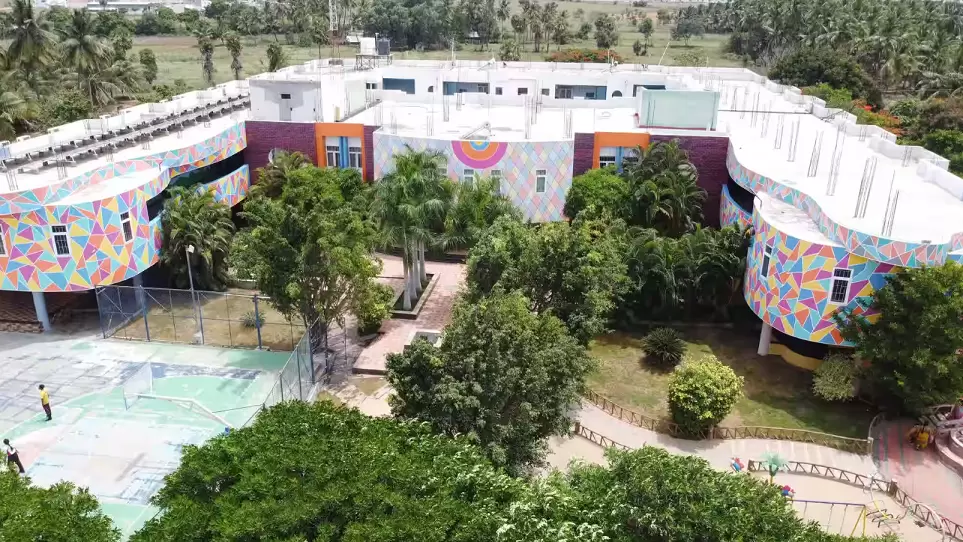

ABACUS International Montessori School, Tiruppur
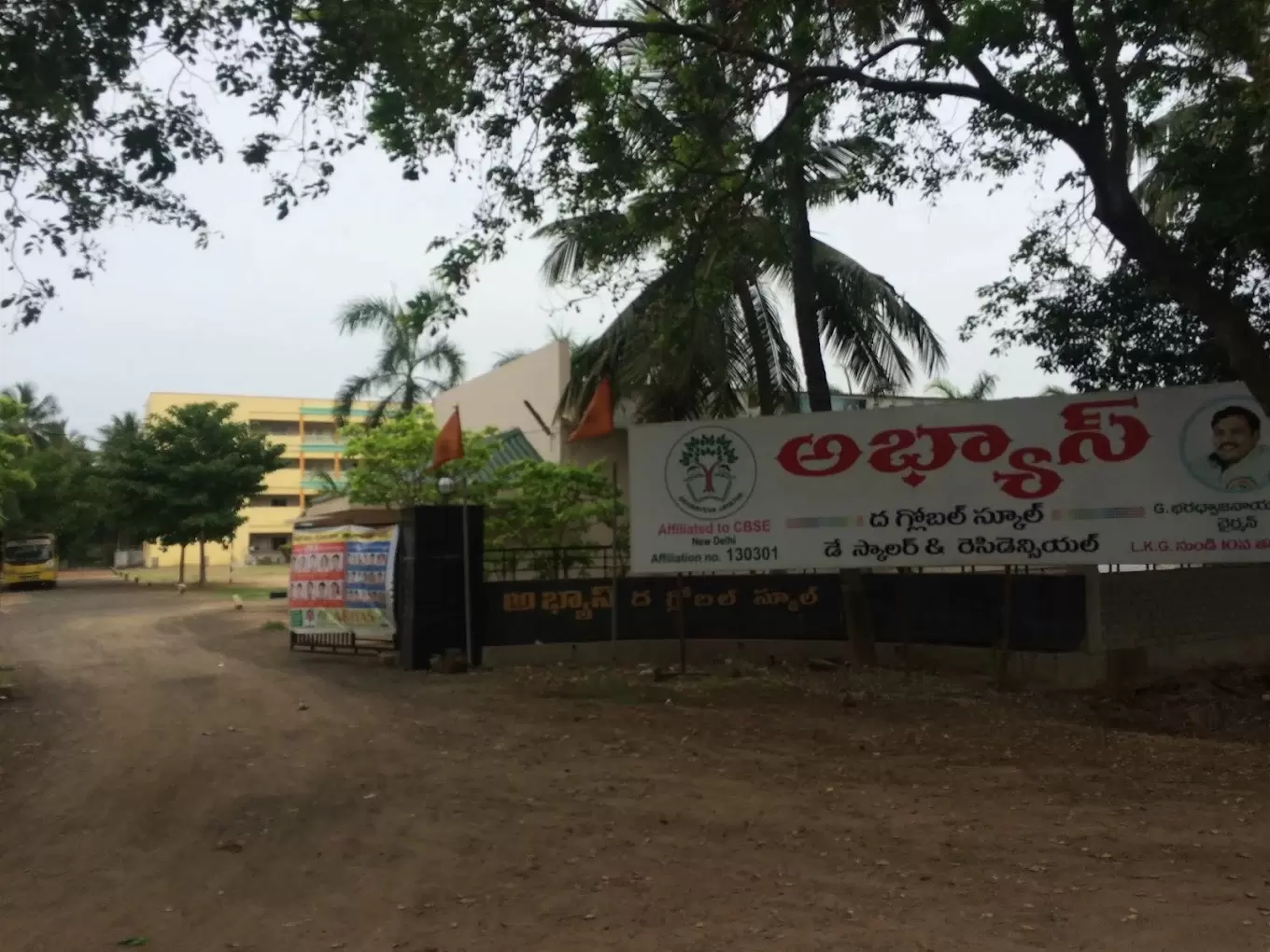

Abhyas The Global School, Bhimavaram
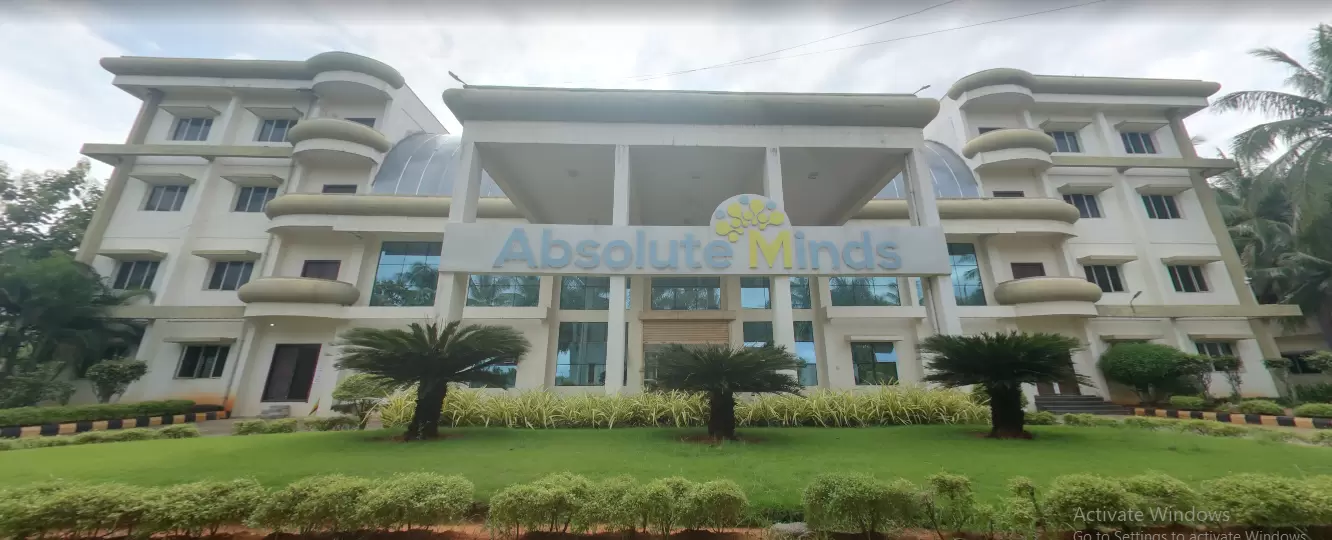

Accord School, Tirupati
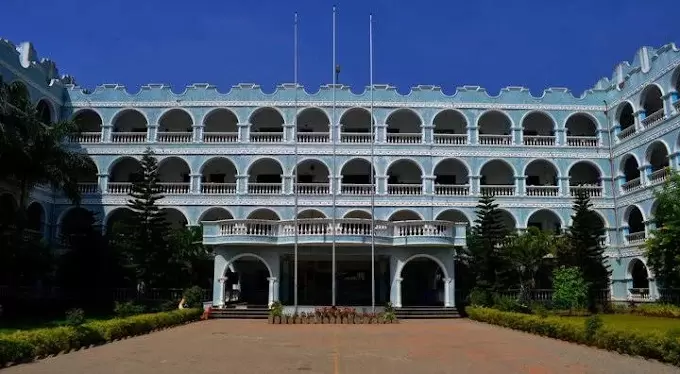

Achariya Siksha Mandir, Pondicherry
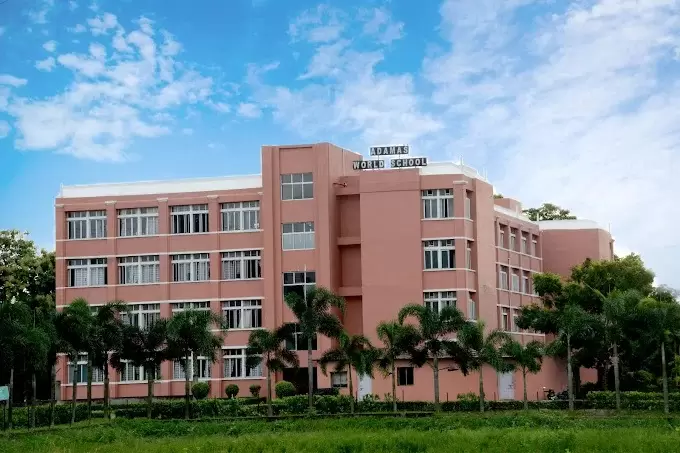

Adamas World School, Barasat
Why Choose a Boarding School for Class 1st?
Boarding schools are no longer limited to older children in higher grades. Today, many reputable institutions welcome students as young as six years old, providing a safe, caring, and stimulating environment for learning.
For working parents or NRIs, a boarding school ensures that children receive round-the-clock attention, a regular routine, and strong academic guidance. At the same time, young boarders learn essential life skills teamwork, discipline, and emotional balance, which help them grow into confident individuals.
The biggest advantage of enrolling your child in a residential school for Class 1 is the focus on overall development. These schools balance academics with sports, creativity, and social interaction. Every day is structured with learning, play, and rest, ensuring children adapt comfortably to school life.
Top Boarding Schools in India for Class 1st
India offers a wide range of boarding schools for primary education, each known for its distinct culture, curriculum, and facilities. Let’s explore some of the leading options across regions.
North India
Doon International School, Dehradun – A popular choice among parents for its nurturing environment and emphasis on early learning. The school provides a homely atmosphere, nutritious meals, and personalized care for young children.
Welham Girls’ School, Dehradun – Known for blending tradition with modernity, Welham focuses on holistic education and emotional wellbeing. Small class sizes ensure individual attention and strong academic foundations.
G.D. Goenka World School, Gurugram – Offers global exposure through the IB curriculum while maintaining a secure and child-friendly residential setup. The school emphasizes creativity and curiosity through activity-based learning.
South India
Hebron School, Ooty – Surrounded by the scenic Nilgiri Hills, Hebron School offers a balanced mix of academics, co-curriculars, and spiritual values. Students enjoy well-furnished dorms and a warm community atmosphere.
Jain International Residential School, Bengaluru – JIRS has established itself as a leader in residential education with a strong emphasis on academics, fitness, and personality development for early learners.
Chinmaya International Residential School, Coimbatore – Integrates Indian cultural values with modern education. The school ensures holistic learning through yoga, music, and value-based classes.
West India
Scindia Kanya Vidyalaya, Gwalior – One of the finest girls’ boarding schools, it combines discipline with creativity. Young boarders receive structured guidance and participate in diverse learning activities.
Sahyadri School, Pune – A Krishnamurti Foundation initiative, the school offers an open, experiential learning environment where children explore ideas, nature, and values.
Bhonsala Military School, Nagpur – Known for its discipline and holistic approach, the school offers structured routines that blend academics, physical training, and moral education.
East India
Assam Valley School, Tezpur – Offers a spacious campus, vibrant learning environment, and individualized attention for junior students. A strong pastoral care system ensures children feel at home.
St. Paul’s School, Darjeeling – Among the oldest and most respected residential schools in India, it provides a mix of tradition and innovation, ideal for young students beginning their educational journey.
Curriculum and Teaching Approach
Most boarding schools in India for Class 1 follow recognized national and international curriculums such as CBSE, ICSE, or IB. The focus at this stage is to build a strong academic foundation through interactive, play-based, and experiential learning.
Teachers encourage curiosity and exploration, allowing children to learn by doing rather than memorizing. Classroom sessions often include storytelling, art, music, and simple science experiments, making education both fun and meaningful.
With low student–teacher ratios, these schools ensure every child receives personal attention. Early exposure to values, languages, and physical activity helps shape confident, well-rounded individuals ready for higher classes.
Facilities & Infrastructure for Class 1st Students
Safety, comfort, and happiness are top priorities in residential schools for young children. The hostels are designed with vibrant interiors, child-friendly furniture, and hygienic surroundings. Dormitories are often supervised by trained matrons, wardens, and caregivers who act as extended family members.
Medical support is available 24/7, with trained nurses and visiting pediatricians ensuring health and wellbeing. Nutritious meals, proper sleep schedules, and recreational activities are all part of the daily routine.
Playgrounds, art rooms, and creative spaces allow students to explore their talents beyond academics. CCTV surveillance and secure perimeters provide additional safety, giving parents peace of mind.
Admission Process for Class 1st Boarding Schools
The admission process for Class 1 boarding schools in India usually begins between September and January for the following academic year. Children between 5 to 7 years are eligible for entry into Class 1.
Parents need to submit basic documents such as the child’s birth certificate, previous school reports (if applicable), and medical records. Some schools may conduct informal assessments or interaction rounds to understand the child’s readiness.
Many institutions also allow virtual interviews and school tours, making it easier for outstation and international families to apply. It’s advisable to start the application process early, as seats in reputed schools fill quickly.
Boarding School Fees in India for Class 1
The fees for boarding schools in India vary widely depending on the school’s reputation, location, and facilities. On average, parents can expect to pay between ₹2 lakh to ₹10 lakh per year for Class 1.
This amount typically includes tuition, accommodation, meals, and co-curricular activities. Premium international boarding schools may charge higher, while affordable CBSE boarding schools provide quality education at moderate costs.
Some schools offer scholarships or fee waivers based on merit or need. Parents should also inquire about optional charges such as transportation, uniforms, and extracurricular programs.
Tips for Parents Choosing a Boarding School for Class 1st
Selecting the right school for a young child requires research and sensitivity. Here are some essential tips for parents:
-
Evaluate safety and staff care: Ensure the school has trained caregivers and a strong supervision system for young boarders.
-
Visit the campus: Touring the campus helps parents understand the living environment, classrooms, and staff interaction.
-
Check emotional readiness: Not every child is immediately ready for boarding life. Start with day-cum-boarding options if needed.
-
Look for communication systems: Good schools maintain regular contact with parents through calls, emails, and video updates.
-
Focus on values and empathy: Choose schools that emphasize character building, kindness, and respect alongside academics.
Boarding Schools in India for Class 1st (FAQs)
Most boarding schools in India admit students into Class 1 when they are 5 to 7 years old. At this age, children are emotionally adaptable and ready for structured learning. Reputed schools provide a nurturing environment where young students learn independence, social skills, and discipline without feeling overwhelmed. Before enrolling, parents should assess emotional readiness, as every child adjusts differently to a residential setup.
Yes, modern boarding schools in India are designed with stringent safety standards to protect and comfort young children. Schools maintain 24/7 CCTV surveillance, employ trained wardens and matrons, and follow verified visitor policies. Additionally, every reputed school has a resident nurse or doctor on campus. Emotional wellbeing is also prioritized, teachers and caregivers ensure children feel supported, listened to, and cared for at all times.
The best curriculum depends on parents’ long-term goals for their child:
-
CBSE: Offers strong foundational learning and national-level uniformity, ideal for Indian universities.
-
ICSE: Focuses on English fluency, creative expression, and analytical skills.
-
IB Primary Years Programme (PYP): Encourages global thinking, inquiry-based learning, and conceptual understanding.
Each curriculum suits different learning styles, but all top boarding schools for Class 1 in India ensure age-appropriate, activity-based education.
Leading residential schools have trained pastoral care teams that focus on emotional growth and comfort. Young children are assigned mentors or house mothers who guide them through daily routines and offer personal attention. Schools also organize counseling sessions, art therapy, and bonding activities to help new students adjust. Regular parent–child communication through video calls or letters strengthens emotional security.
Top boarding schools in India for Class 1 offer age-specific facilities designed for comfort and safety, such as:
-
Airy dormitories with separate sections for juniors
-
Hygienic bathrooms and round-the-clock supervision
-
Balanced, nutritious meals prepared under dietitian supervision
-
Indoor play areas, toy rooms, and early learning centers
-
Medical facilities, CCTV monitoring, and child counselors
The goal is to provide a “home away from home” experience while maintaining structured learning.
The average annual fee for boarding schools in India ranges from ₹2 lakh to ₹10 lakh, depending on the institution’s reputation, location, and facilities. Premium schools with international curriculums may charge more, while affordable options offer quality education at moderate costs. Parents should also budget for uniforms, books, extracurriculars, and medical fees. Some schools provide scholarships or sibling discounts to support families financially.
Almost every boarding school has a structured parent communication policy. Parents can interact with their children through:
-
Scheduled video or phone calls
-
Monthly visiting days or weekend meet-ups
-
Regular academic updates via school apps or emails
-
Parent–teacher meetings (in-person or virtual)
Schools encourage ongoing communication so children remain emotionally connected while gaining independence.
When selecting a school, parents should focus on:
-
Safety and supervision – trained staff, CCTV, medical team
-
Curriculum and teaching style – CBSE, ICSE, or IB options
-
Childcare infrastructure – dorm cleanliness, caregiver–student ratio
-
Emotional support systems – counselors, mentors, and family contact policies
-
Parent feedback – reviews and ratings from other parents
A short visit or virtual tour helps assess if the school’s environment aligns with your child’s personality and comfort level.
A typical day for a Class 1 boarder is well-structured and balanced:
-
Morning: Wake-up, hygiene routine, breakfast, morning assembly
-
School Hours: Academic sessions, art, music, and physical activities
-
Afternoon: Lunch, rest time, supervised play
-
Evening: Homework, hobby clubs, or storytelling sessions
-
Night: Dinner, quiet reflection time, and bedtime
This structured schedule helps develop discipline while ensuring children enjoy learning in a stress-free setting.
Yes, several affordable boarding schools in India offer quality education at reasonable fees (₹2–4 lakh per year). These schools often follow the CBSE curriculum and maintain strong academic results along with comfortable facilities. Some examples include day-cum-boarding schools in Tier-2 cities or state-board-affiliated institutions that emphasize value education and personal care. Parents can explore options region-wise or by fee category before applying.
Every reputed boarding school maintains a dedicated healthcare unit with a full-time nurse and on-call doctor. Regular medical check-ups, vaccinations, and hygiene inspections are conducted to ensure children stay healthy. In case of illness, parents are informed immediately. Schools also maintain emergency tie-ups with nearby hospitals for advanced medical support.
To ease the transition, schools conduct orientation programs and settling-in weeks for new boarders. During this time, children engage in fun activities, meet their caregivers, and explore the campus in small groups. Teachers focus more on play-based learning and emotional bonding than academics in the first few weeks. Parents are encouraged to visit or call often during this phase to make the adjustment smoother.
Some of the best locations known for quality residential education include:
-
Dehradun – Known as India’s “School Capital”
-
Bengaluru & Coimbatore – Blend of tradition and modern learning
-
Pune & Nashik – Safe environment with strong academic culture
-
Darjeeling & Ooty – Peaceful hill stations ideal for early education
These cities house both heritage and modern institutions that specialize in nurturing young learners.
Yes, many co-ed boarding schools in India admit both boys and girls, while some schools remain single-gender (only boys or only girls). Co-ed environments help children develop interpersonal and social skills early. Parents can choose based on their comfort level and educational preferences.
It’s best to begin the admission process 9–12 months in advance. Applications for the next academic session (2026–27) usually open between September and January. Early applications allow parents to visit campuses, prepare documents, and secure seats before deadlines.
Reviews of Boarding Schools in India for Class 1st
Excellent range of extracurricular activities and very caring teachers. Fees are reasonable for the facilities and attention students receive.
The campus is spacious and the facilities are well-maintained. Teachers are supportive.
Friendly staff, neat dorms and good food. Extra coaching for weak subjects would be helpful.
Smooth admission, clear communication, and good value for the fees charged.